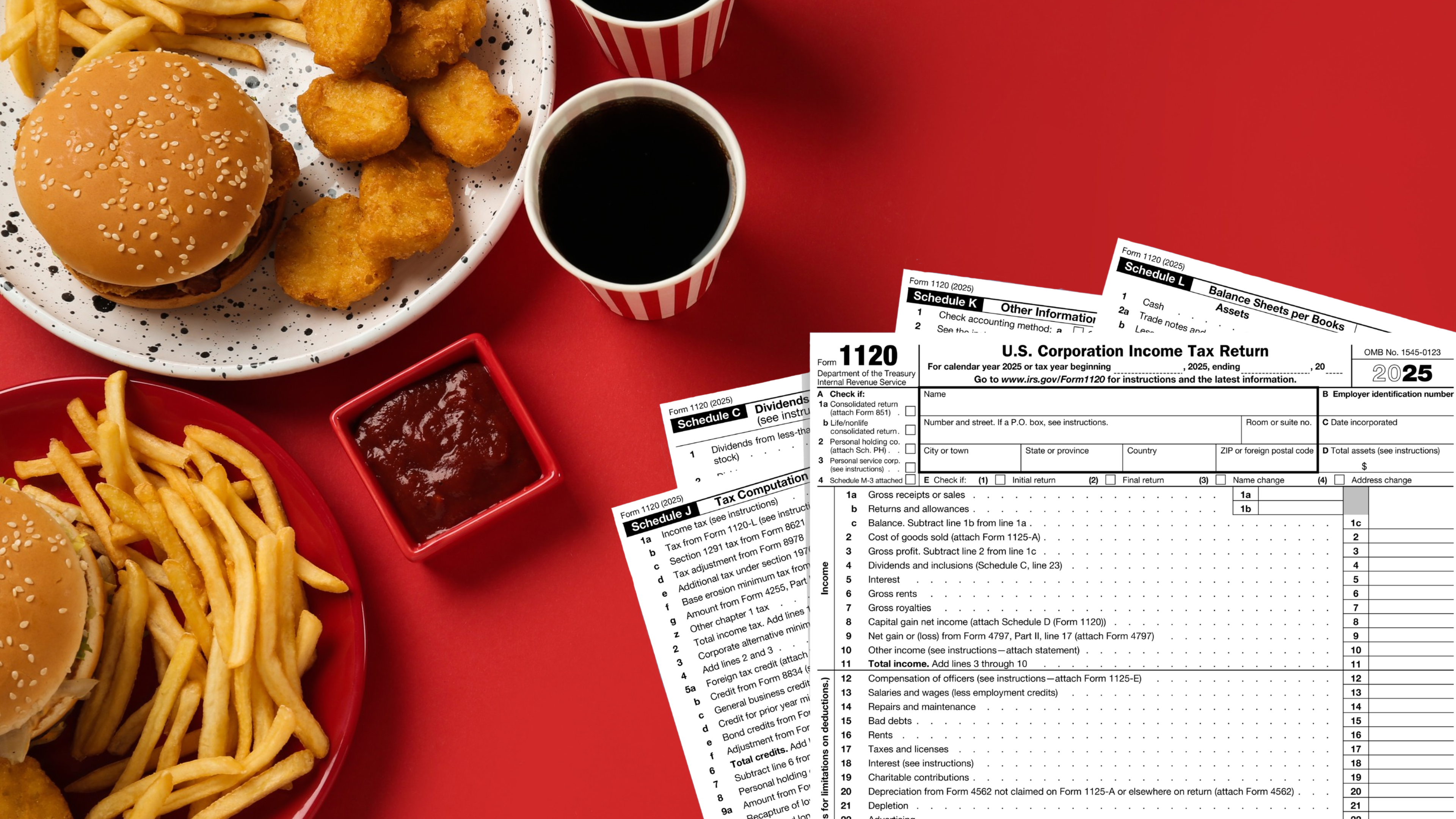
Real Trump Administration Policy is Causing People to Eat Less “Real Food”

Yesterday, the Trump Administration announced that it was undertaking “two landmark actions to modernize federal oversight of food ingredients.” At an invitation-only event described as the “U.S. Department of Health and Human Services celebration on food policy,” speaker after speaker lauded the Administration’s revolutionary food policy—the “most significant period of food reform in modern history” to quote senior advisor Calley Means. This might be true, but not in a good way.
Only time will tell whether the various funding cuts, mass layoffs, cavalier relocations, and other insults to the federal workforce have so damaged the nation’s public health infrastructure as to parallel in magnitude the impacts of previous, salutary reforms like the introduction of the Nutrition Facts label or the ban on trans fats. Already, however, emerging evidence suggests they might. In particular, the ongoing epidemic of Cyclospora infections points to great significance for one of the Administration’s first major “reforms”: delaying FDA’s food traceability rule for two and a half years, just before it was set to go into effect this past January.
Formerly known as “Requirements for Additional Traceability Records for Certain Foods,” FDA’s traceability rule would have required companies like Yum Brands (owner of Taco Bell) to provide traceback records on “high risk” foods, like lettuce, within 24 hours of FDA requesting it. The rule would have almost certainly changed how Taco Bell responded to initial requests for information from Michigan investigators. In all likelihood, it would have helped at least some of the nearly 30,000 reported cyclosporiasis victims to avoid getting sick. As it turned out, FDA did not link the illnesses to Taylor Farms lettuce served at the chain until weeks after Michigan authorities first contacted the fast-food giant.
As “exploding diarrhea” headlines have proliferated, produce sales have slumped. The Trump Administration responded by first assuring us that the cyclosporiasis epidemic was “under control” (it wasn’t), and more recently, by suggesting it’s a liberal media hoax (it’s not). Outrageously, HHS senior advisor Calley Means has accused Safe Food Coalition member Stop Foodborne Illness, an organization founded by parents of children killed by E.coli tainted ground beef, of being a “fake ‘food borne illness advocacy’ group.” As Bill Marler explains, the allegation makes no sense--cold comfort to the 40% of adults telling pollsters they are eating less produce.
Of course, food safety refers to more than microbiological threats. Sketchy chemicals in the food supply are taking a toll on public health too. The Administration deserves some credit for 1) issuing a “MAHA assessment report” that gives a nod to many of the problems—e.g. children’s exposure to junk food marketing, unhealthy school meals—that consumer advocates like CFA have fought to fix for years; 2) recognizing the independent significance of ultra-processing, apart from nutrient content, in the Dietary Guidelines for Americans; and now 3) issuing a proposed rule on substances “Generally Recognized as Safe,” or GRAS, that will “require” companies to notify FDA of any “secret GRAS” determinations they have made.
Why scare quotes around “require”? Because the GRAS proposed rule, were it someday to be finalized and go into effect, does not provide for enforcement. In the GRAS notification law passed by the New York legislature last year, for example, a food containing a GRAS substance that is not reported to the state would become illegal to sell in commerce. By contrast, FDA’s proposed GRAS rule explains that “if the notification requirement is not met for a substance's conditions of intended use, FDA would consider such noncompliance as a factor in its prioritization of food substances for post-market review.” But the agency has no resources to conduct these post-market reviews. In March of 2024, before the Department of Government Efficiency vandalized the agency, “FDA announced that it had “identified 21 chemicals in the food supply for which it would conduct postmarket review,” only a few of which are food ingredients. As Secretary Kennedy noted in his remarks on Monday, our best estimates peg the number of food ingredients at around 10,000.
But at this point, compliance concerns are counting how many angels can fit on the head of a pin. The most important distinction between the proposed GRAS rule and actions like the traceability rule delay, or the decision to cut out Cyclospora from FoodNet, is the difference between aspiration and actual policy. We may hope that, unlike a few years ago, food companies do not abandon their pledges to remove artificial food dyes. We may hope that FDA finalizes the proposed GRAS rule and companies comply without an enforcement threat from the federal government. We may even hope that Russ Vought and the other architects of Project 2025 at OMB sign off on the Administration’s proposed definition of ultra-processed food—whatever it may say. In the meantime, however, we are stuck with what this Administration has actually done.