1966
In April 1966, the first Consumer Assembly was held and cosponsored by thirty national organizations representing workers, small farmers, consumer cooperatives, and women, as well as other consumers.
At the meeting, White House Consumer Adviser Esther Peterson urged the creation of a federation of national, state, and local groups to press for consumer legislation.
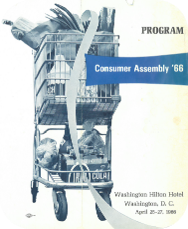
Consumer Assembly 1966 program
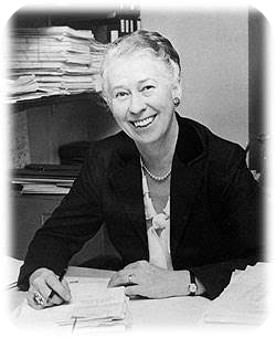
Esther Peterson
CFA logo (1968)

Erma and Dave Angevine
1968
As a result of Esther Peterson’s call to action, leaders from 56 consumer groups came together to form the Consumer Federation of America, led by Erma Angevine.
Erma Angevine had previously worked for numerous cooperative organizations, where her work included directing women’s activities and serving as consumer lobbyist.
1968-1972
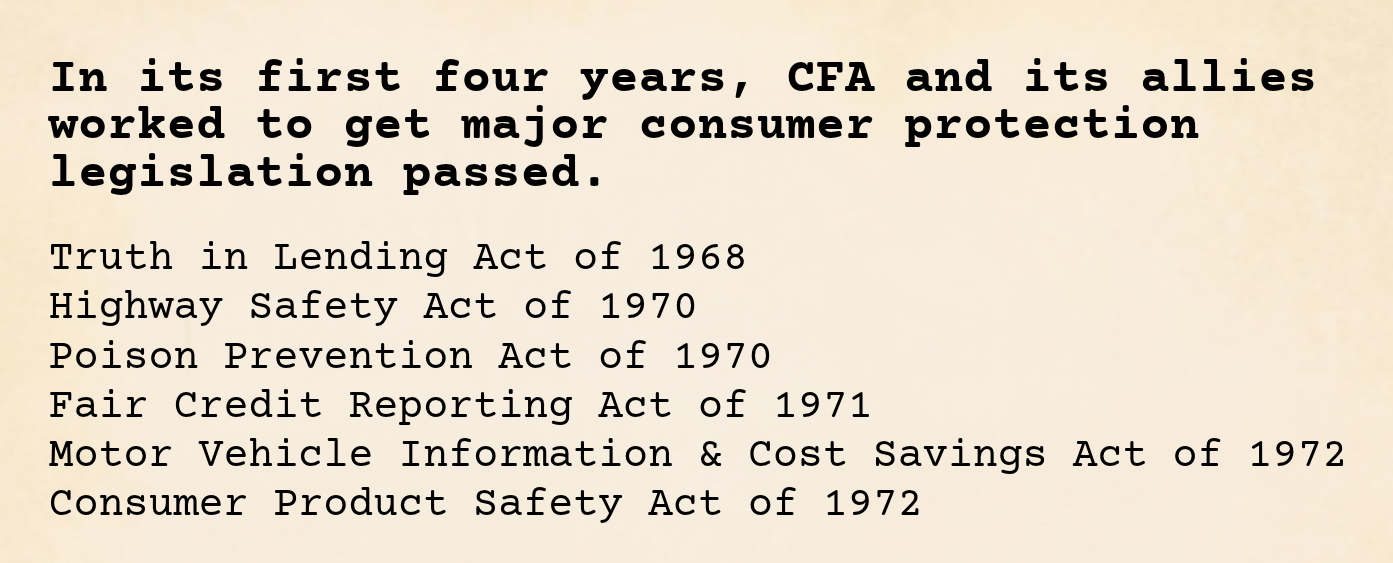
Erma Angevine's twofold mission at CFA was to take the lead on numerous consumer issues while building the organization from scratch.
Angevine served as executive director during an upsurge of consumer activism and by 1969, she had persuaded 140 groups to join the federation.
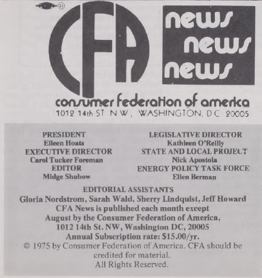
CFA News (1973)

Carol Tucker Foreman
1973
In 1973 Carol Tucker Foreman succeeded Erma Angevine as Executive Director.
The daughter and granddaughter of Arkansas politicians, Foreman had worked on Capitol Hill, in the executive branch, and in the advocacy community before joining CFA.
1973-1977
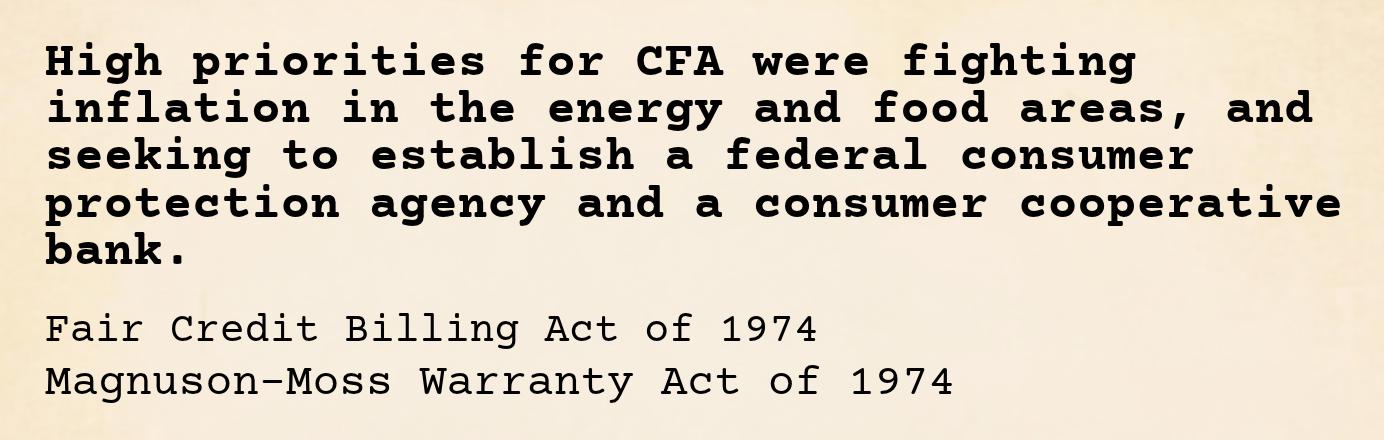
Because of the effectiveness of Carol Tucker Foreman and her staff, CFA was taken seriously on Capitol Hill and widely quoted in the press.
To encourage the election of a pro-consumer Congress, CFA established a Political Action Committee (PAC) that endorsed but did not make financial contributions to congressional candidates.
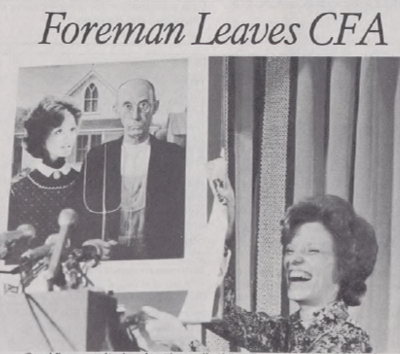
Foreman displaying her farewell gift from CFA
Kathleen O'Reilly
1977
In 1977, Carol Tucker Foreman was appointed Assistant Secretary at the U.S. Department of Agriculture and was succeeded as CFA Executive Director by Kathleen O’Reilly.
O’Reilly had practiced law, including helping draft the first federal no-fault insurance legislation.
1977-1980
At CFA, O’Reilly was known for her forceful consumer advocacy, testifying more than 200 times before congressional and state legislative bodies.
During her tenure, O’Reilly led successful congressional efforts to reduce sugar price supports and expand protections against credit discrimination. She also worked on a failed effort to create a federal consumer protection agency.
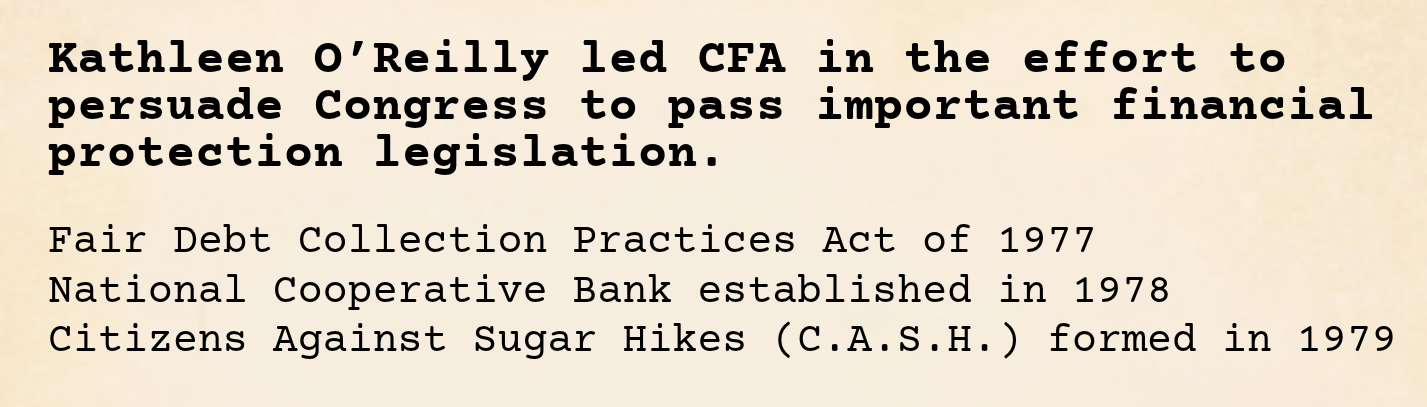
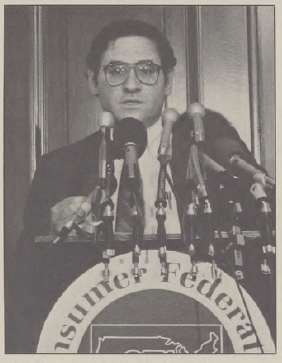
Mark Cooper, Research Director
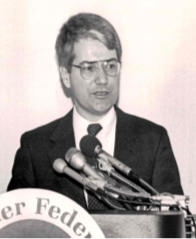
Stephen Brobeck
1980
In early 1980, Kathleen O’Reilly left CFA to run for Congress and was replaced by Stephen Brobeck.
Brobeck had served on the CFA board from 1976 to 1979 and helped lead a grassroots consumer organization in Cleveland. Brobeck ran the federation until 2018 serving as a builder by helping to attract consumer protection experts to CFA’s staff.
1980s
In an era marked by a string efforts to stifle regulatory agencies and the deregulation of essential consumer services, CFA was challenged to continue advocating for consumer interests.
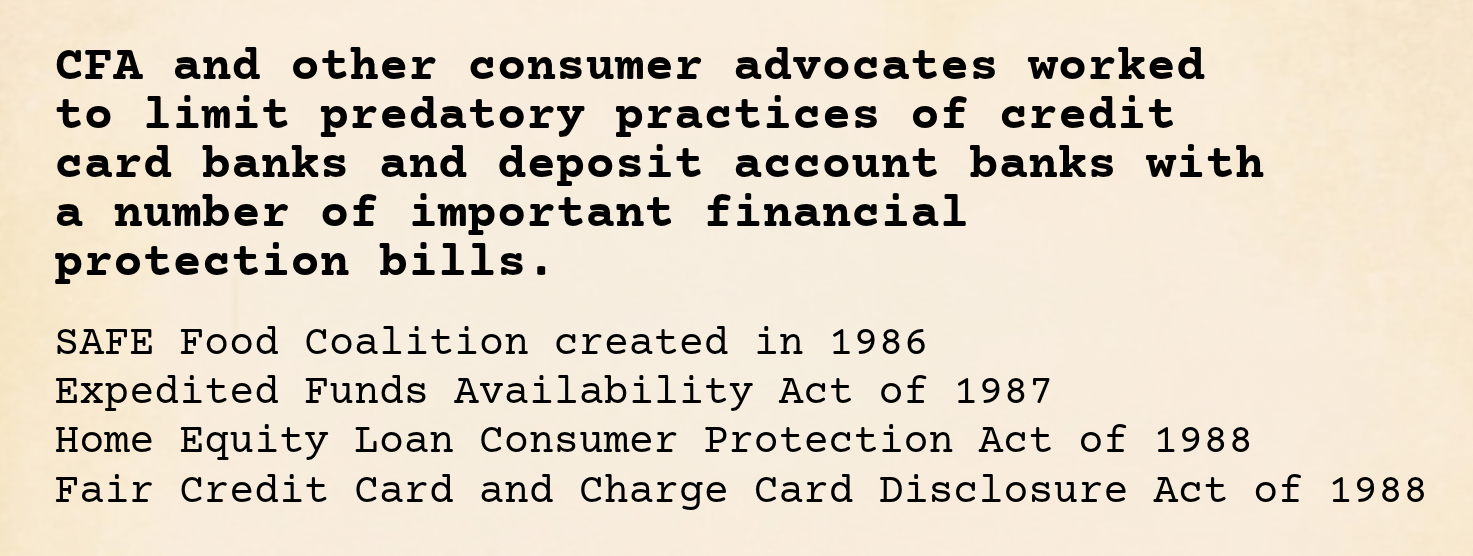
CFA worked to ensure affordable phone services for lower income consumers, created the SAFE Food Coalition, and sought stronger safety and soundness safeguards in congressional legislation in response to the savings-and-loan crisis.
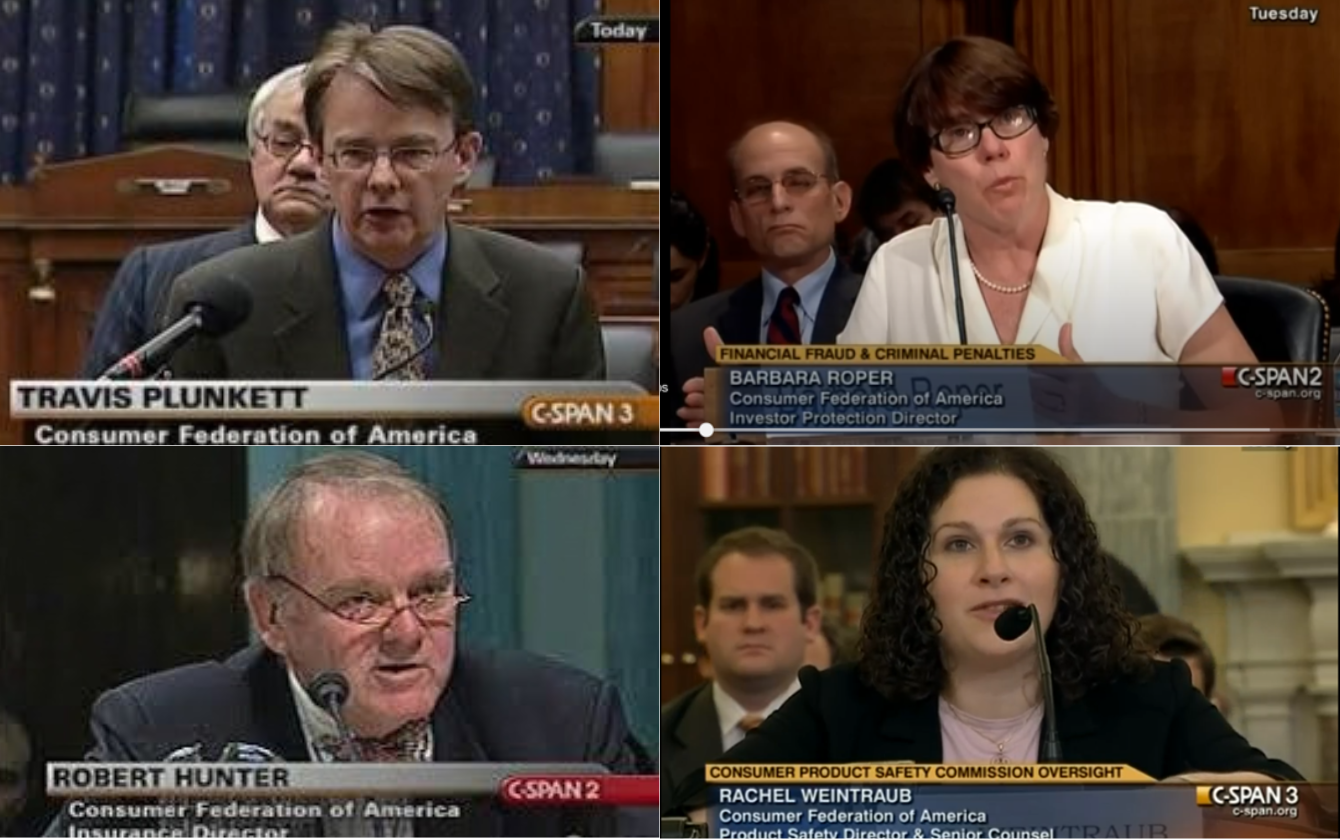
CFA staffers testifying before Congress
1990s
CFA was able to persuade Congress to reregulate cable television rates in the early 1990s and was instrumental in helping to pass The Truth in Savings Act of 1991 requiring savings account and home equity loan disclosures and protections.
Although Congress did little to help consumers during the Clinton administration, CFA's SAFE Food Coalition convinced the administration to institute a systematic approach to food safety. In 1997, the Universal Service Fund was created and CFA and its allies convinced congress to extend this service to wireless and broadband services.
2000s
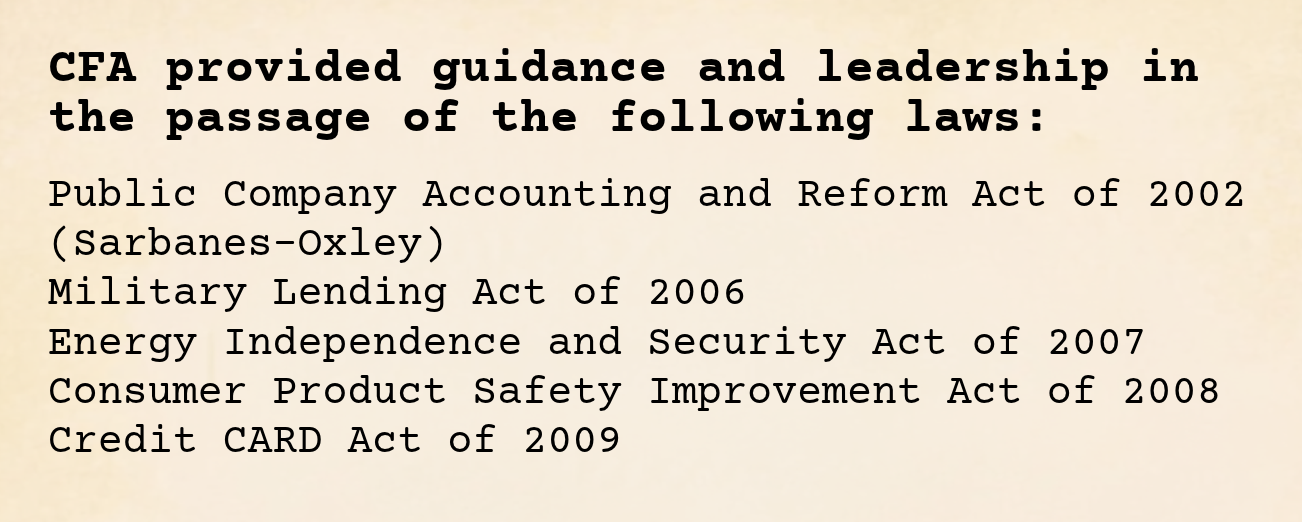
From 2001-2009, under George W. Bush, a new wave of congressional consumer reform took place, resulting in the passage of a slew of important laws aimed at protecting consumers in the marketplace.
10th Anniversary of the Consumer Product Safety Improvement Act
America Saves est. 2001
In 2001, under the leadership of CFA's Associate Director Nancy Register, an initiative aimed at motivating, encouraging, and supporting low-to moderate-income households in saving money, reducing debt, and building wealth called America Saves was created.
Since its inception, America Saves has grown to include programs for young workers and an initiative for the Veteran community called Veteran Saves. Nonprofit, government, and corporate groups participate in America Saves annually through both America Saves Week and Veteran Saves Week.
To date, over 800,000 individuals have taken the America Saves, Veteran Saves or America Saves for Young Workers Pledge.
2010s
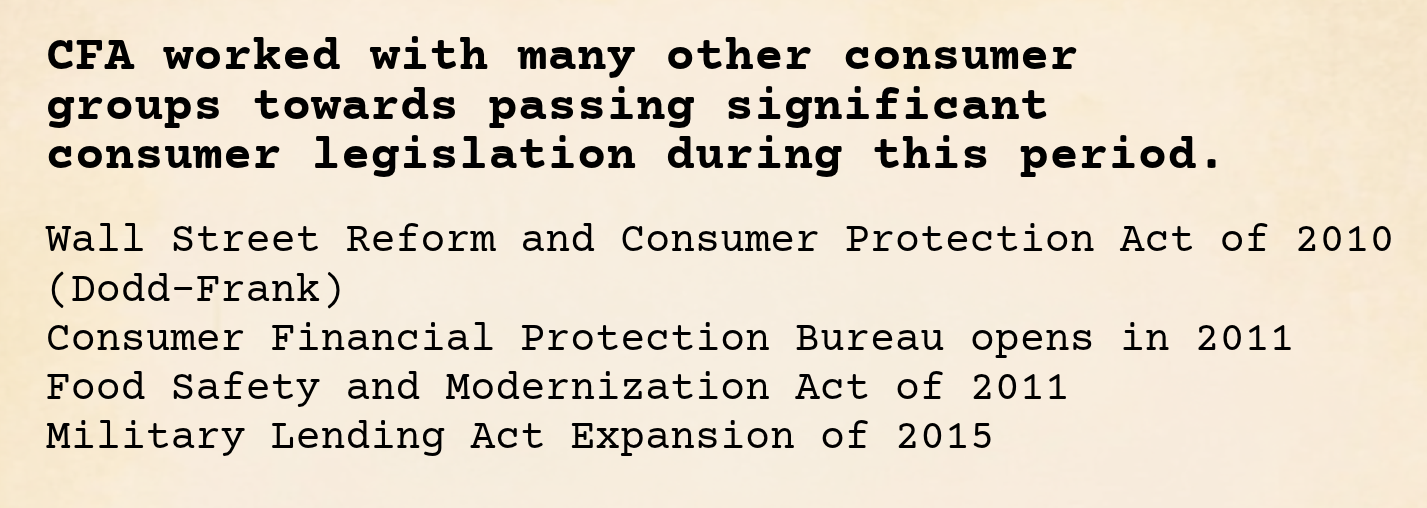
CFA fought for broad structural reforms for financial protection that resulted in the passing of the Wall Street Reform and Consumer Protection Act of 2010 (Dodd-Frank) in 2010.
This legislation created the Consumer Financial Protection Bureau (CFPB), which opened in 2011, as an agency whose sole purpose is to protect consumers.
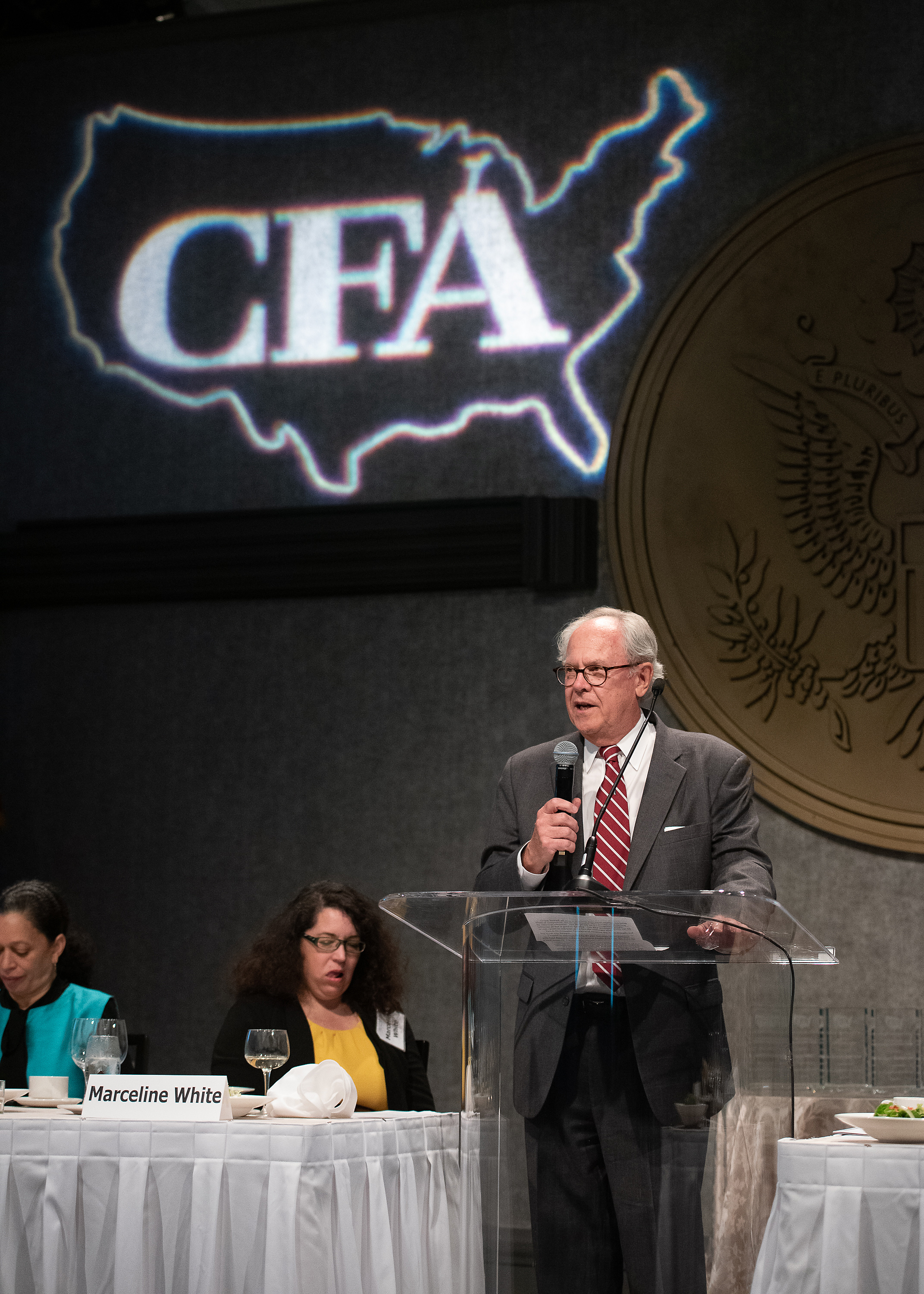
2019 Awards Celebration
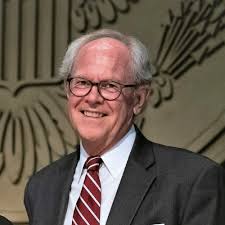
Jack Gillis
2018
In 2018, Stephen Brobeck retired after 38 years of service and was succeeded as CFA Executive Director by longtime Public Affairs Director Jack Gillis.
Gillis was a renowned consumer advocate and author of many books including The Car Book. Gillis’ advocacy was responsible for significant changes in the automobile industry, including improved vehicle safety, better warranties, and increased fuel efficiency.
2018-2022
During the Covid-19 pandemic, CFA and its allies were able to persuade insurance companies to give refunds to consumers who were not driving their cars, amounting to an estimated $13 billion in total premium relief.
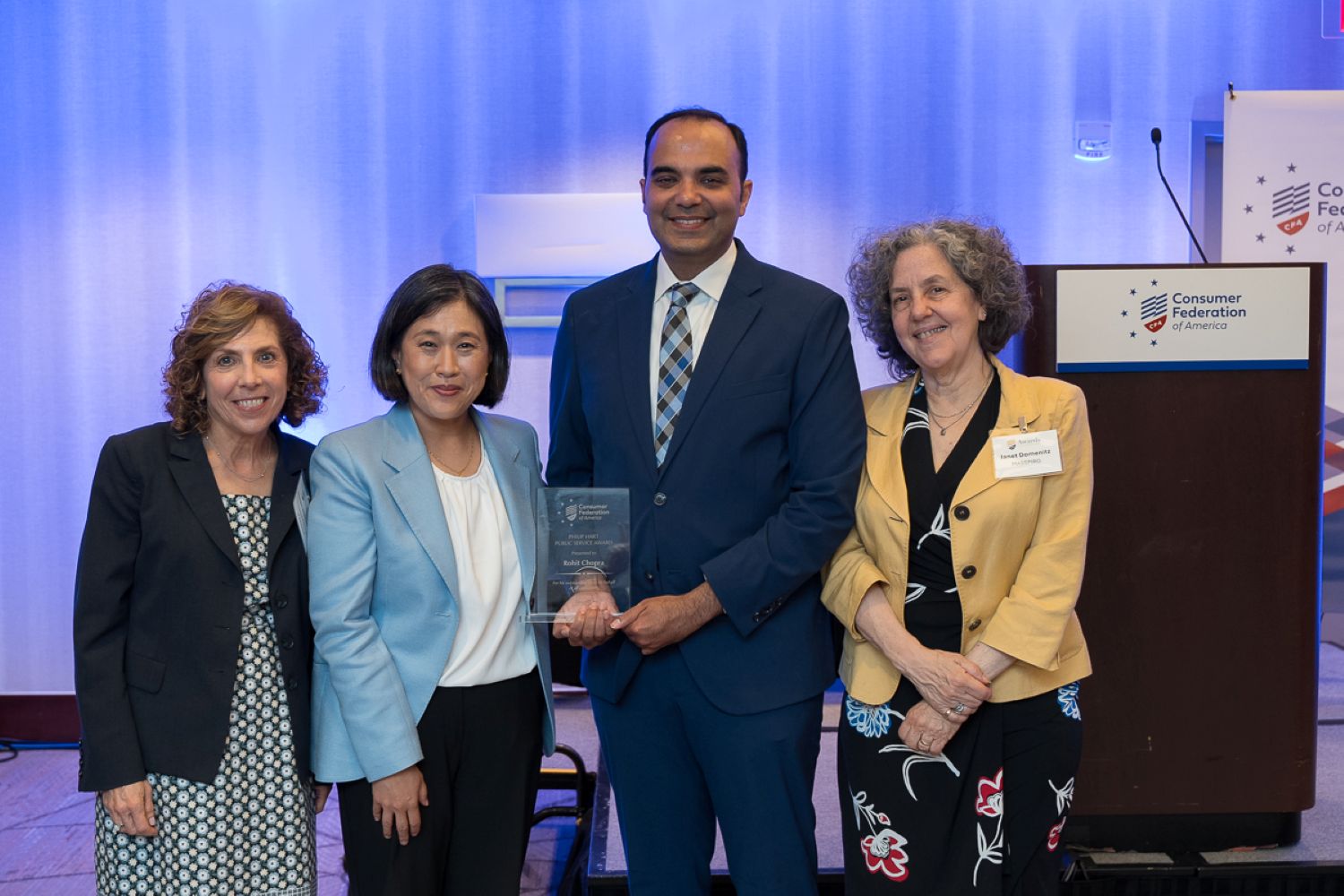
Susan Weinstock, Amb. Katherine Tai, Sec. Rohit Chopra & Janet Domenitz
Susan Weinstock
2022
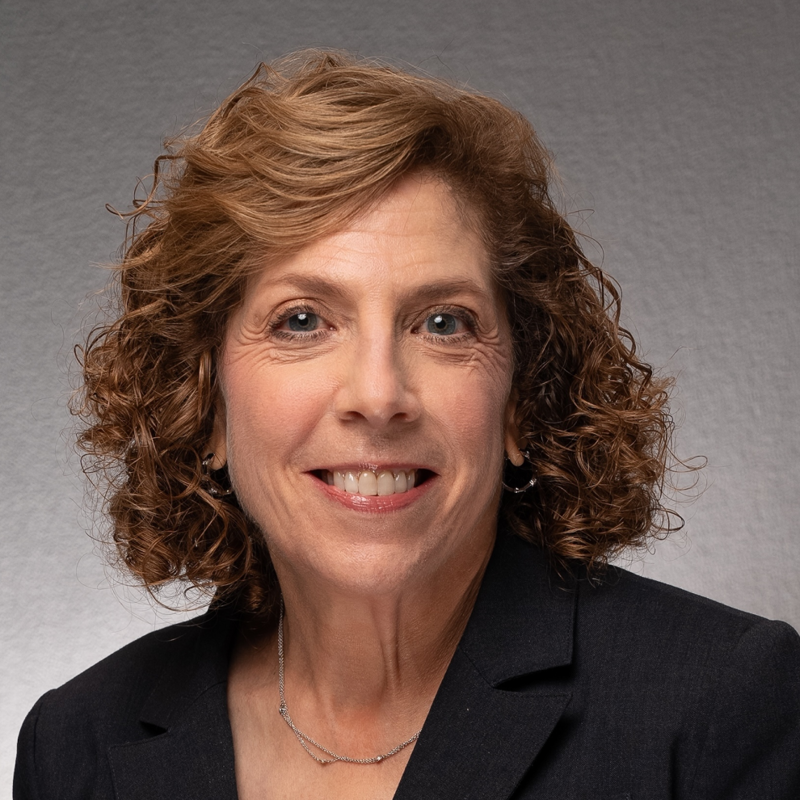
In 2022, Jack Gillis retired and Susan Weinstock became CFA's Executive Director.
Weinstock, a former CFA staffer, previously held various positions at AARP, the Pew Charitable Trusts, and the U.S. Treasury. While at CFA she was part of the team that pushed hard for the Dodd-Frank Act and the establishment of the Consumer Financial Protection Bureau.
2022-2026
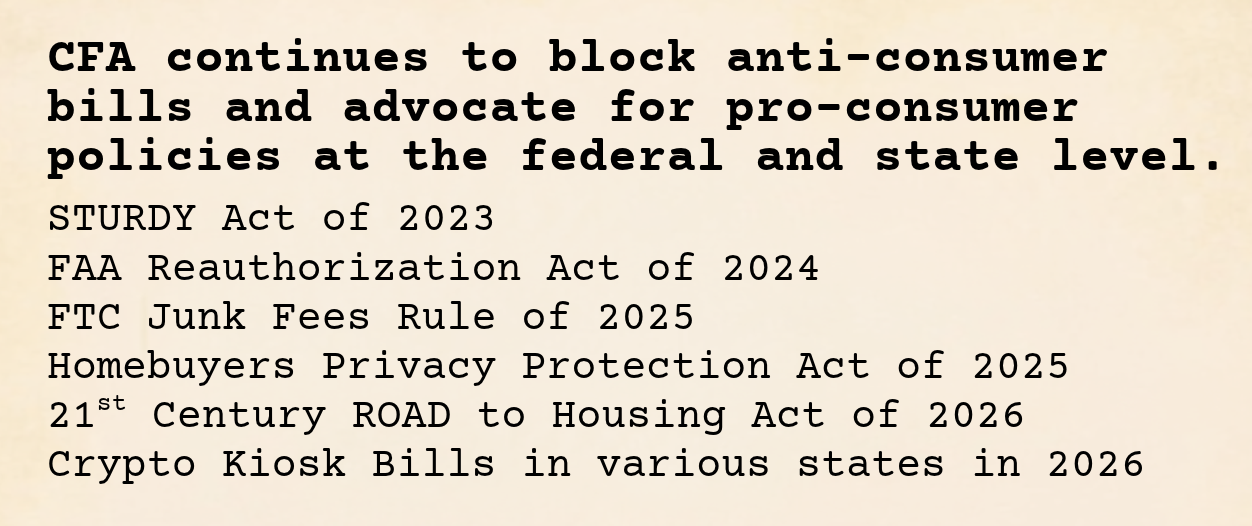
In 2022, CFA and its allies worked to push the DOT to pass rulemaking on airline ticketing refunds & beefed up its enforcement efforts.
In 2026, CFA filed a class-action lawsuit against social media platform Meta for failing to protect D.C. consumers from scam advertisements.
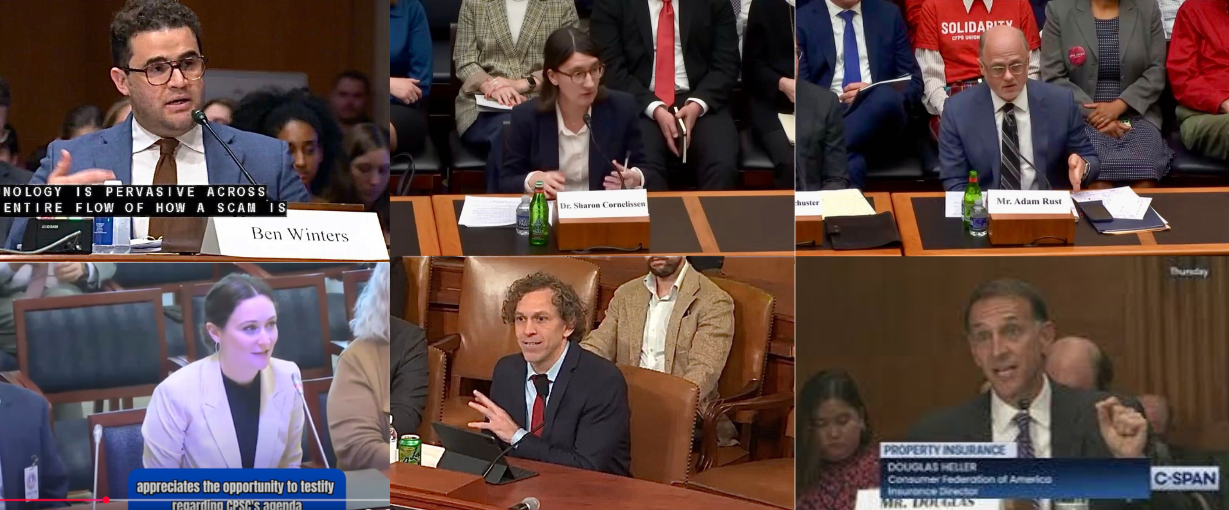
CFA staffers testifying before Congress
2026 and beyond...
As we approach our 60th year, CFA's work has grown to span a diverse array of issue areas as regulatory bodies, advocates, and legal frameworks continuously adapt to protect consumers from sophisticated financial fraud and predatory market practices.
Now more than ever, it is imperative that we advance and defend the consumer interest at the federal, state, and local level. The best way to do that is to do it together – learn more!
Nonprofit organizations or associations that support the goals and programs of CFA; and city, county, or state government consumer protection agencies.
Learn more about our annual dues structure.