New CFA Report Highlights Opportunity for States to Raise Revenue by Ending Advertising Tax Subsidies for Big Food
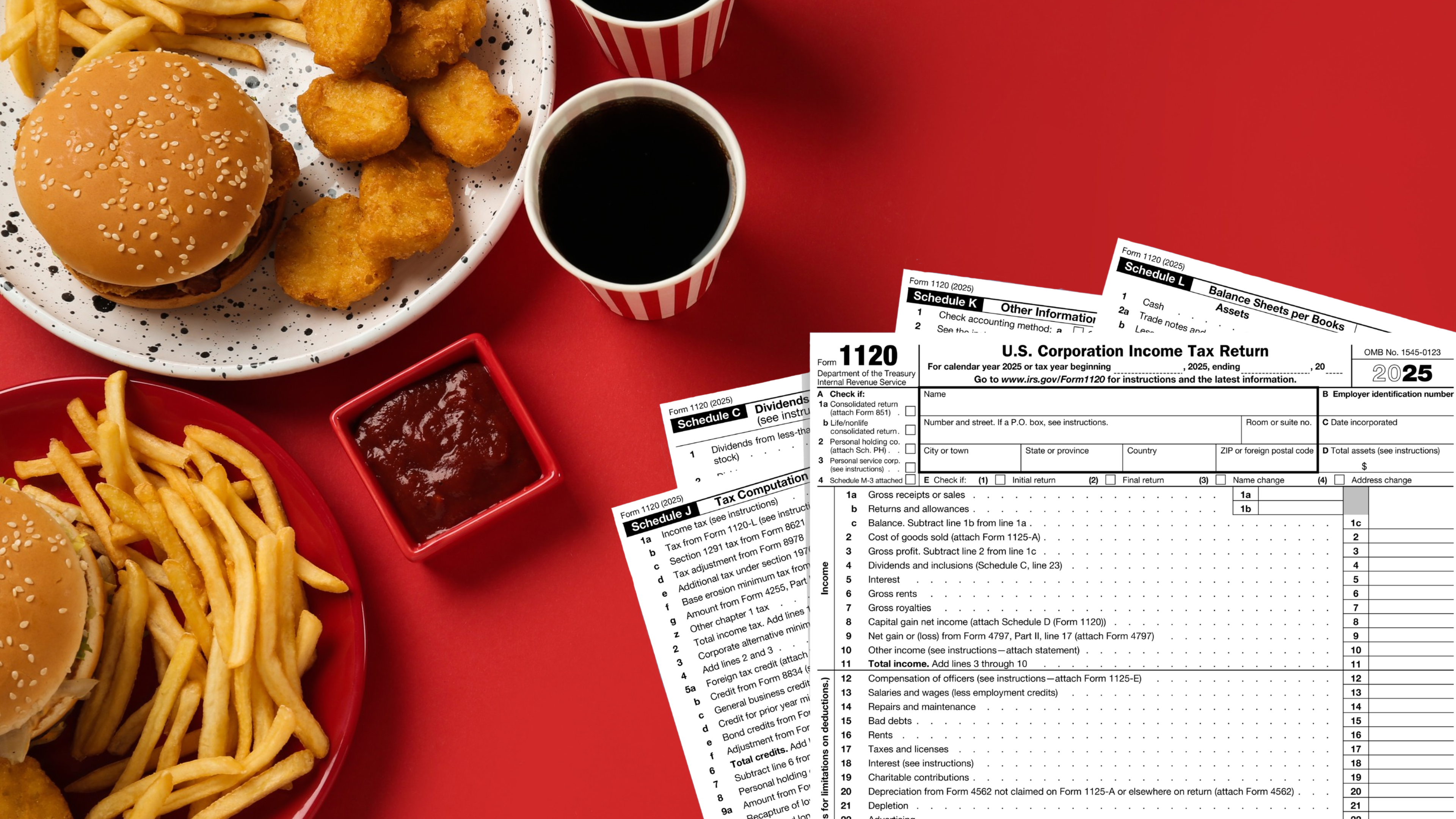
WASHINGTON, D.C. — A new report from the Consumer Federation of America (CFA), Food Advertising Subsidy Reform: A Win-Win for Fiscal and Public Health, presents practical model legislation that could reclaim millions in State’s revenue, while advancing public health, privacy, and competition in the food system. States lose out on millions of dollars each year subsidizing food and beverage advertising through their corporate income tax codes. The report explains how the subsidy works, with deductions for Big Food and Big Alcohol creating a tax shelter for spending on corporate branding and customer surveillance. The report estimates that scaling back the deduction for food and beverage marketing expenses to eliminate the subsidy could generate tens of millions of dollars annually in many states that levy corporate income taxes.
“Consumers should not be footing the bill for tax subsidies that encourage big food and beverage corporations to spend more and more money on marketing that promotes overwhelmingly unhealthy products and contributes to 1 in 5 children developing obesity before adulthood," said Thomas Gremillion, Director of Food Policy at CFA. "Reforming these subsidies will not only make the tax code fairer, it will generate much-needed revenue for programs that strengthen food safety and nutrition security.”
The report details how food and beverage corporations spend billions of dollars each year promoting an overwhelmingly unhealthy portfolio of products dominated by fast food, sugary and alcoholic beverages, candy, snacks, and other highly processed foods. Research from the Administration’s MAHA Report shows children’s “constant exposure” to food ads—on average 15 per day— “has been linked to increased cravings for and consumption of sugary beverages and other unhealthy products.” This threat to children has grown with the rise of digital marketing, which has given corporations unprecedented power to use highly sensitive personal data to target vulnerable consumers, including children, and influence their behavior.
CFA’s report calls on states to reconsider this costly tax policy. The model legislation would allow food and beverage companies to immediately deduct up to $2.5 million in qualified marketing expenses while requiring half of expenses above that amount to be treated as an “investment in brand image” and deducted over five years. States already frequently depart from federal law. With one in five children experiencing obesity by age 18 and Americans across the political spectrum calling for a healthier food system, states have an opportunity to take the lead. Now is the time for state lawmakers to advance practical reforms that protect consumers, improve public health, and ensure taxpayer dollars are better spent.