EXPOSED: A Report on 1.6 Trillion Dollars of Uninsured American Homes
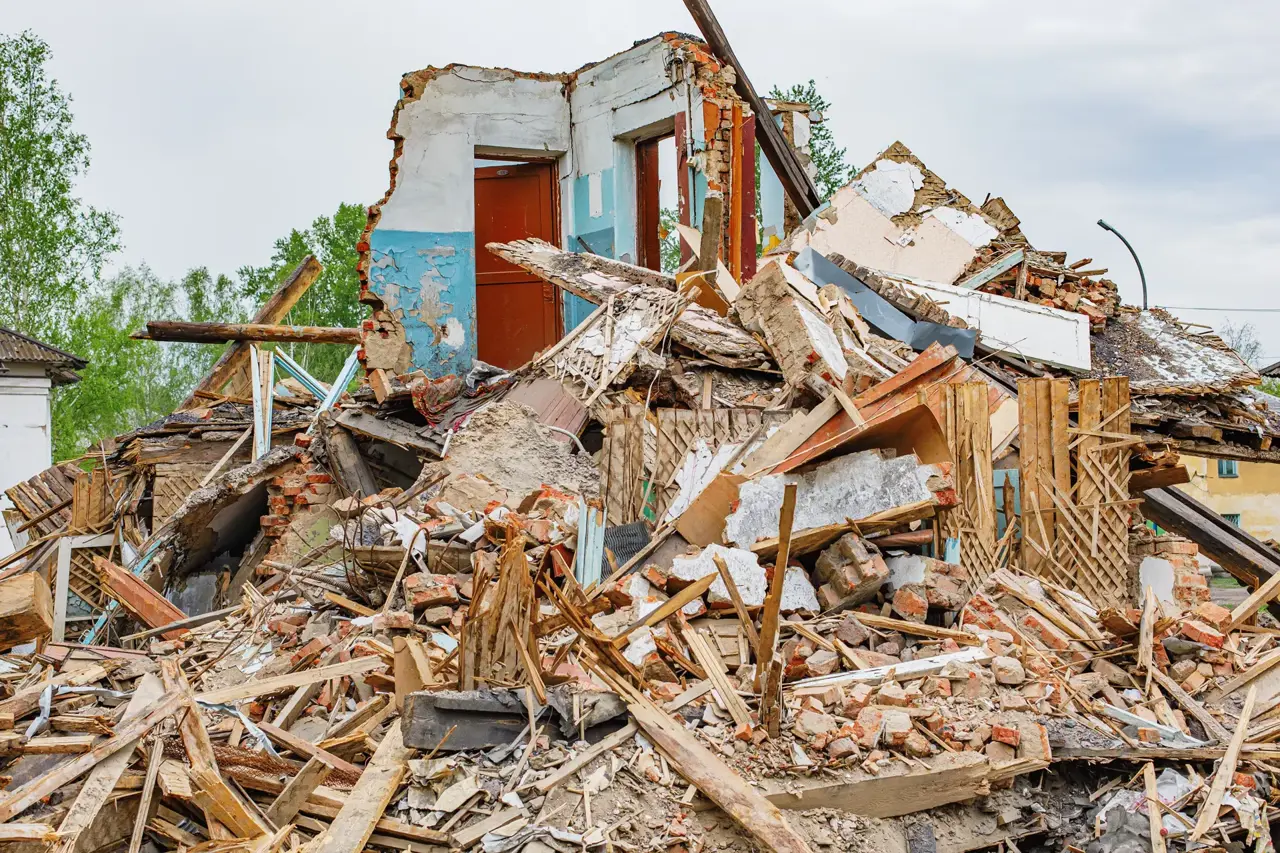
For most American homeowners, their home is not only their greatest financial asset but also a key source of financial stability, community, and personal pride. Homeowners insurance is an essential financial tool to protect their homes in case of unexpected damage. This product is mandatory for consumers with a mortgage on their home. However, in recent years escalating climate disasters and spiking prices in the global reinsurance market have placed serious financial strain on the homeowners insurance system and on homeowners across the United States.
Today many consumers struggle to afford steeply increased premiums, while others find it difficult to obtain insurance in the private market altogether. Concerns are growing that many American homeowners are forced by financial realities to forego homeowners insurance, sometimes called “going bare.” But going bare puts consumers at risk of accruing significant financial debt to repair their homes, having to live with unsafe and inadequate housing conditions, or moving from homeowner to homeless after disaster strikes.
Based on an analysis of 2021 American Housing Survey data from the US Census Bureau, this report finds that:
• One in thirteen homeowners across the United States are uninsured (7.4 percent), equivalent to 6.1 million homeowners.
• Homeowners making under $50,000 a year are twice as likely as the general population to be uninsured (15 percent).
• Homeowners of color are disproportionally at risk, with an estimated 22 percent of Native American, 14 percent of Hispanic, and 11 percent of Black homeowners having no homeowners insurance.
• Over one third (35 percent) of owners of manufactured homes, as well as 29 percent of those who have inherited their homes, have no homeowners insurance.
• Homeowners living in rural areas and those living in the metropolitan areas of Miami and Houston are most likely to not have homeowners insurance.
• Even with conservative estimates, an estimated $1.6 trillion in property value of uninsured homes was at risk in 2021: this includes $339 billion of uninsured Hispanic owned homes and $206 billion of uninsured Black-owned homes.
We conclude by offering research and policy recommendations:
1. More data are needed to track insurance gaps and pre-existing and emerging inequalities in insurance markets.
2. The precarity of the homeowners insurance market poses a systemic risk to our nation’s housing markets. Fixing this will require both investing in risk reduction and reducing insurers’ overreliance on unregulated reinsurance.
3. Unavailable and unaffordable homeowners insurance continue to impact the racial wealth and homeownership gaps. We need more research that examines racial discrimination in insurance markets