Sign up to receive e-mail updates about conferences and events.
48th Annual National Food Policy Conference
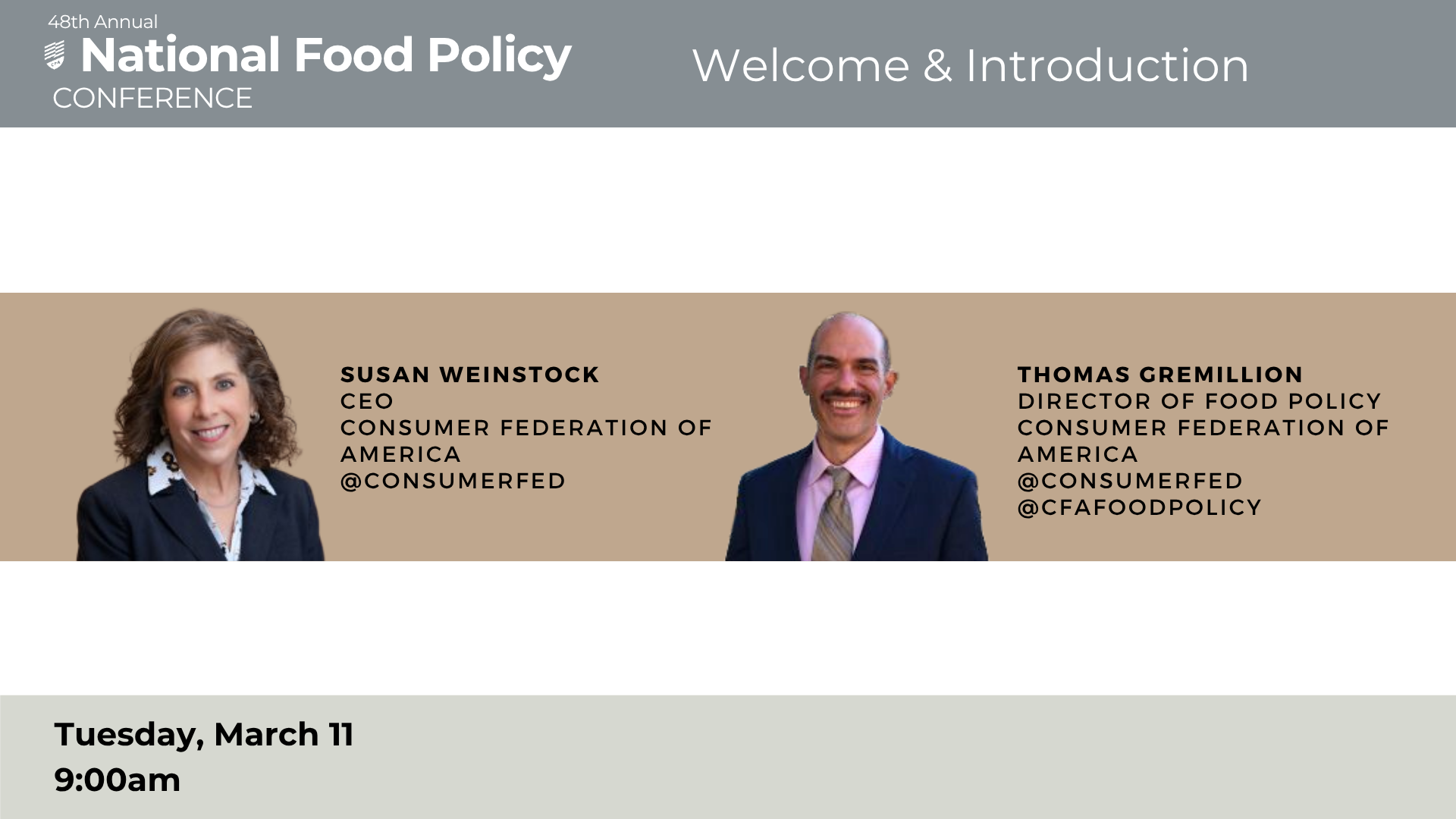
9:00 AM
Welcome & Introduction
Speakers
Susan Weinstock
President & CEO
Consumer Federation of America
Thomas Gremillion
Director of Food Policy
Consumer Federation of America
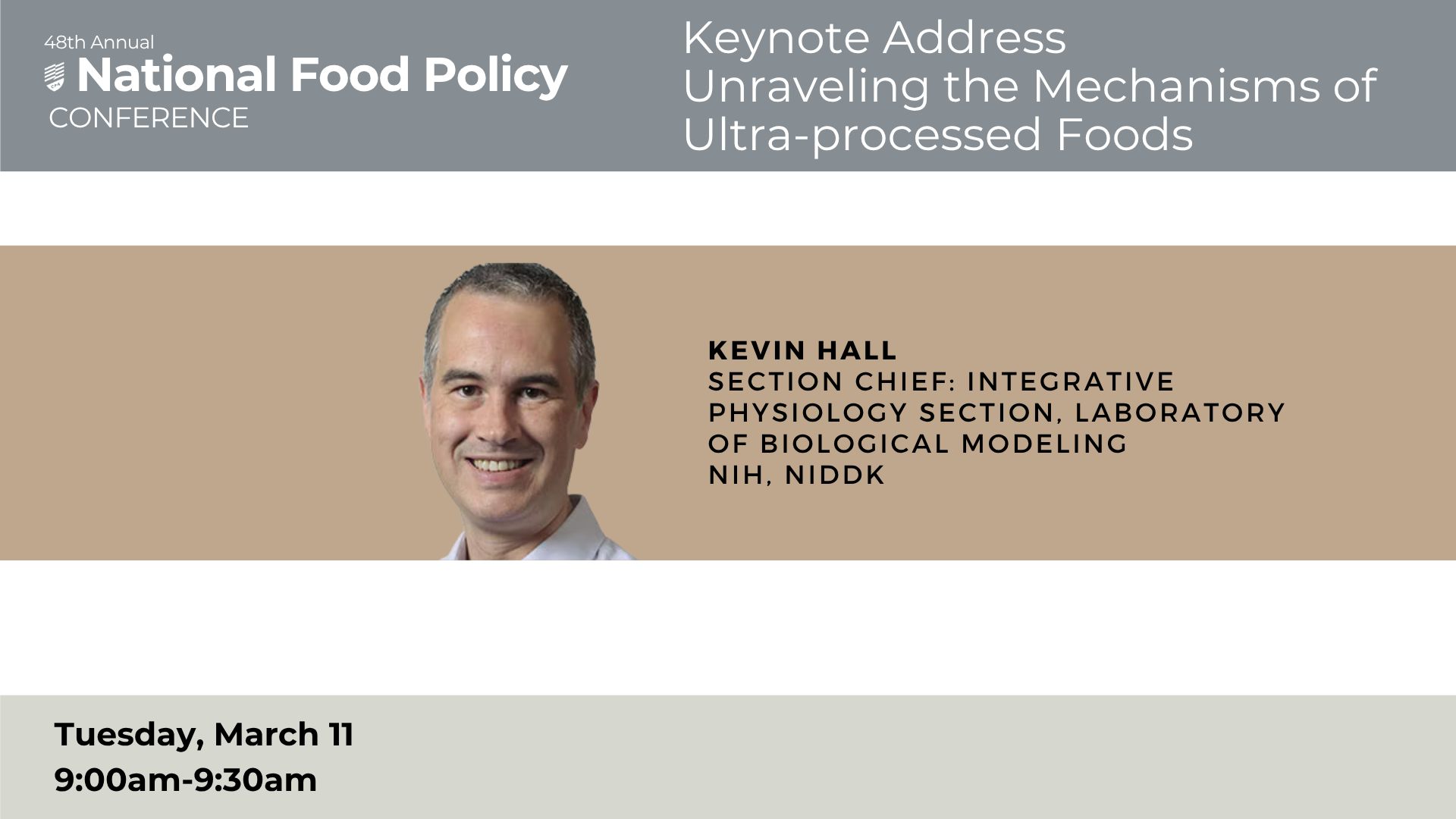
9:00 AM
Keynote Address: Unraveling the Mechanisms of Ultra-processed Foods
Kevin Hall
Section Chief: Integrative Physiology Section, Laboratory of Biological Modeling
NIH, NIDDK
9:30 AM
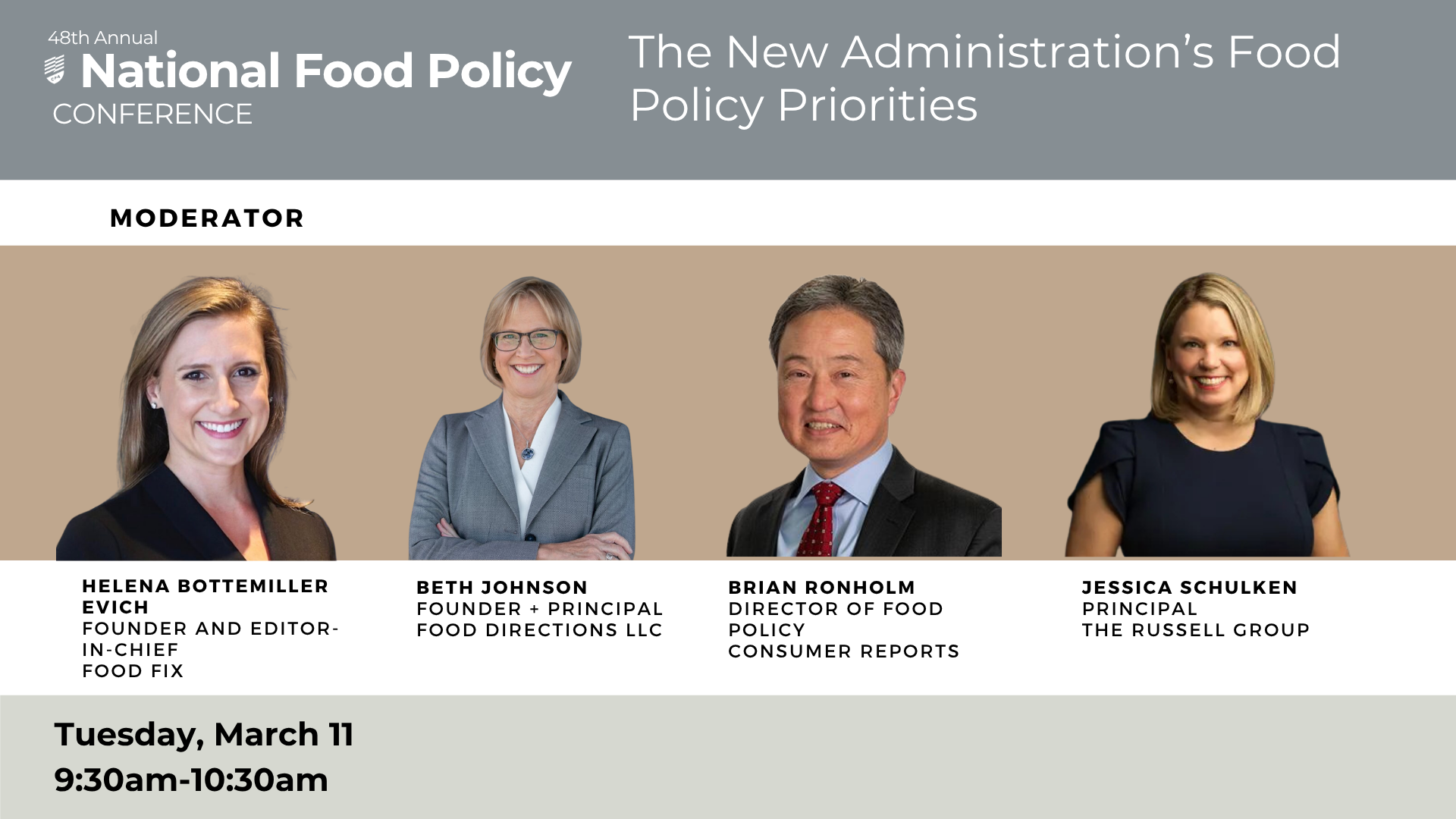
Plenary Session: The New Administration’s Food Policy Priorities
Under the first Trump Administration, federal regulators eased restrictions on the use of pesticides and herbicides, relaxed nutrition standards for school meals, gave biotech companies more flexibility to put genetically engineered foods on the market, and authorized meat processors to operate at faster line speeds, among other market-friendly policies. Will the second Trump Administration continue where it left off, or will it forge new alliances in a bid to “Make America Healthy Again”? What kinds of policy shifts from the status quo can we expect to see? What role will Congress play?
11:00 AM
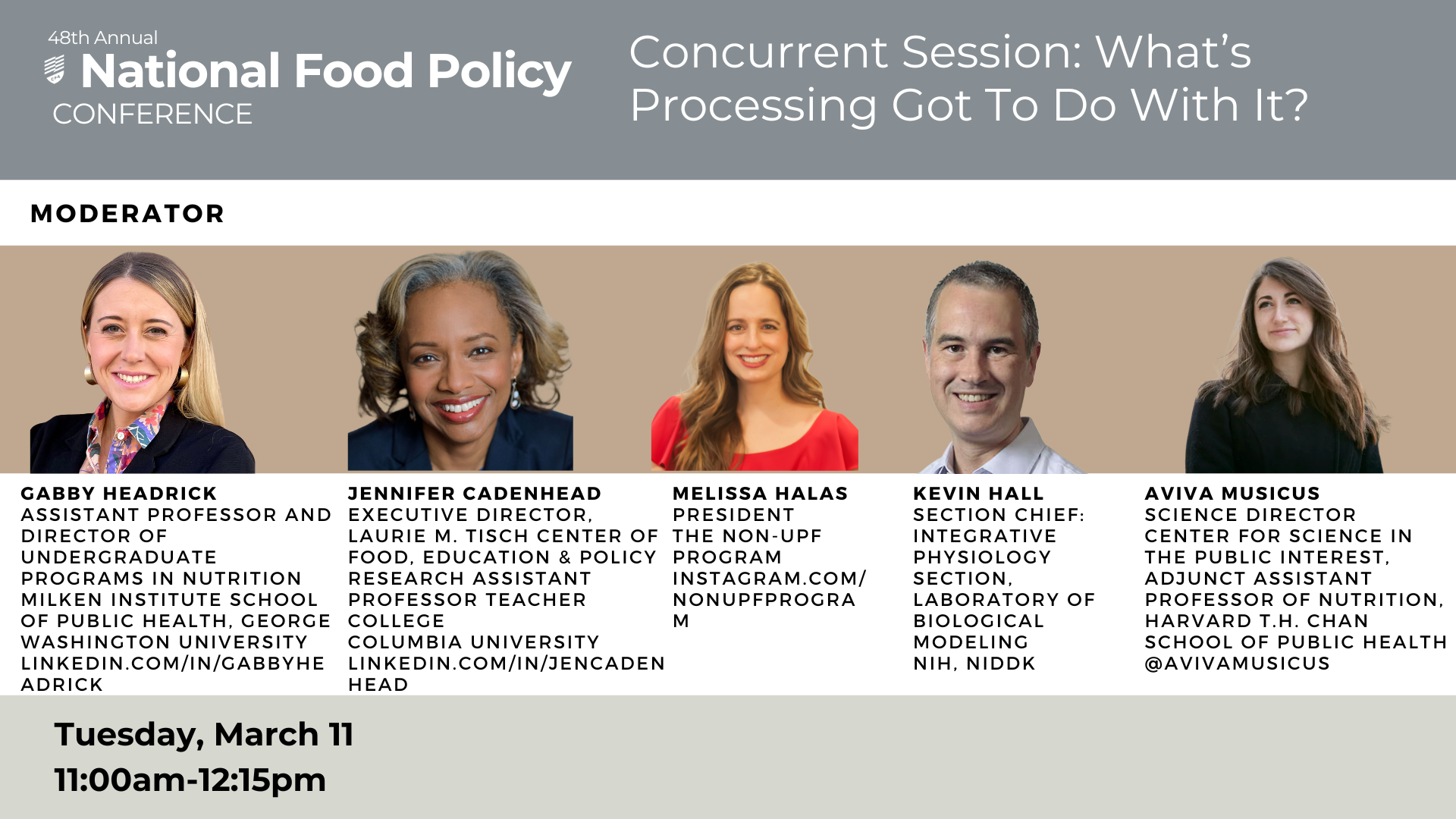
Concurrent Session: What’s Processing Got To Do With It?
Controversy surrounds the concept of ultra-processed foods, with critics arguing that the term lacks precision and groups together foods with little in common. Yet researchers continue to investigate how food processing affects nutrition, and to translate that research into dietary advice. What can policymakers and the public take away from the current science on ultra-processed foods? How can future research illuminate the connections between food processing and health?
11:00 AM
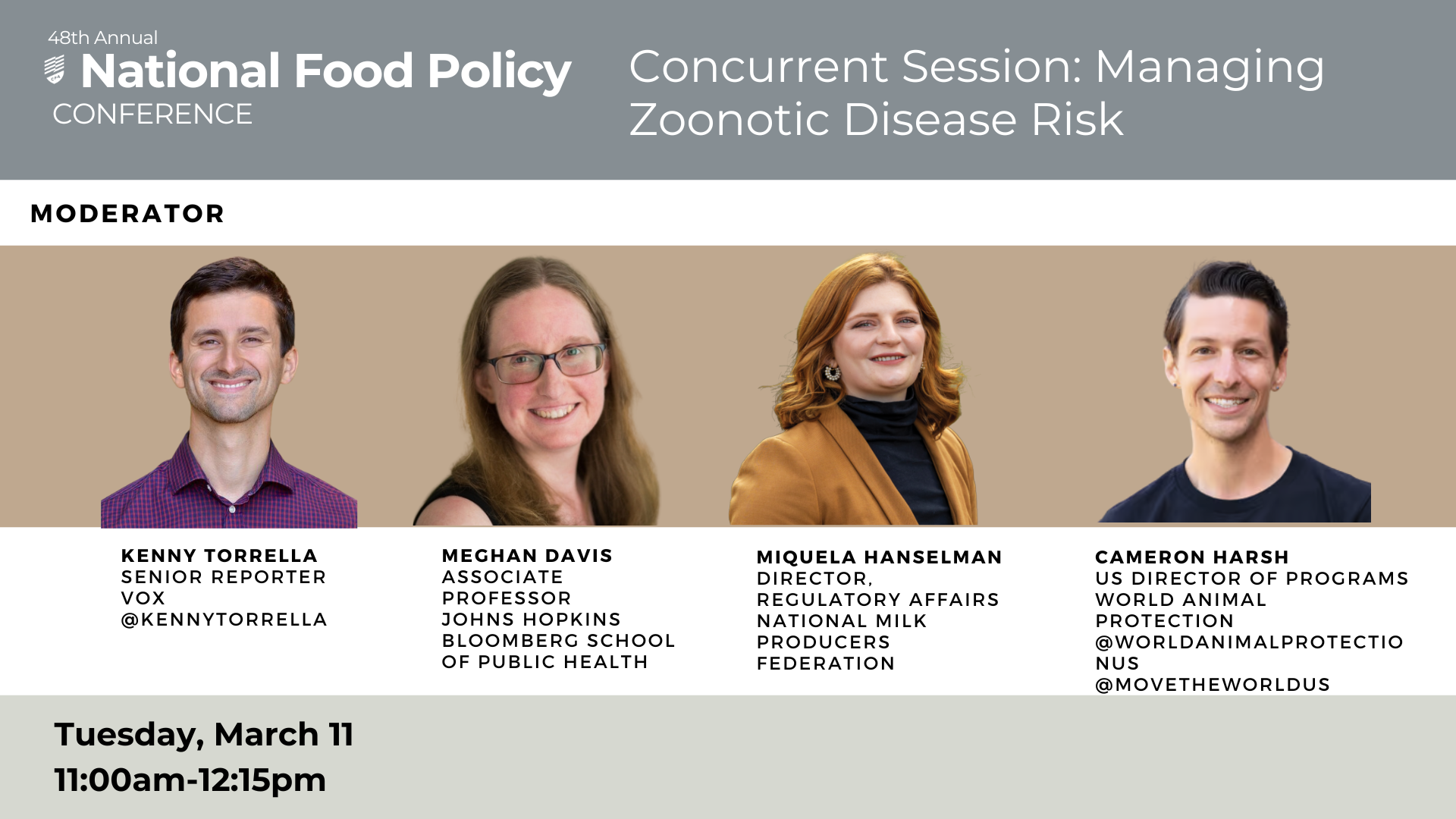
Concurrent Session: Managing Zoonotic Disease Risk
Zoonotic diseases, caused by pathogens endemic to wildlife or livestock that spill over into human populations, are a major public health threat. In 2009, the Institute of Medicine estimated that zoonotic diseases accounted for more than 65% of emerging infectious disease events in the past six decades. With the advent of new genetic analysis tools, researchers have discovered new connections between food production and illness, such as between E. coli in meat products and hundreds of thousands of anti-biotic resistant urinary tract infections in the U.S. each year. Managing zoonotic disease risk represents an increasingly significant cost to food producers, with the poultry industry alone incurring tens of billions dollars in direct costs. Who should bear the costs of protecting the public from zoonotic disease? How should policymakers respond to zoonotic disease risk? What practices deserve closer scrutiny?
11:00 AM
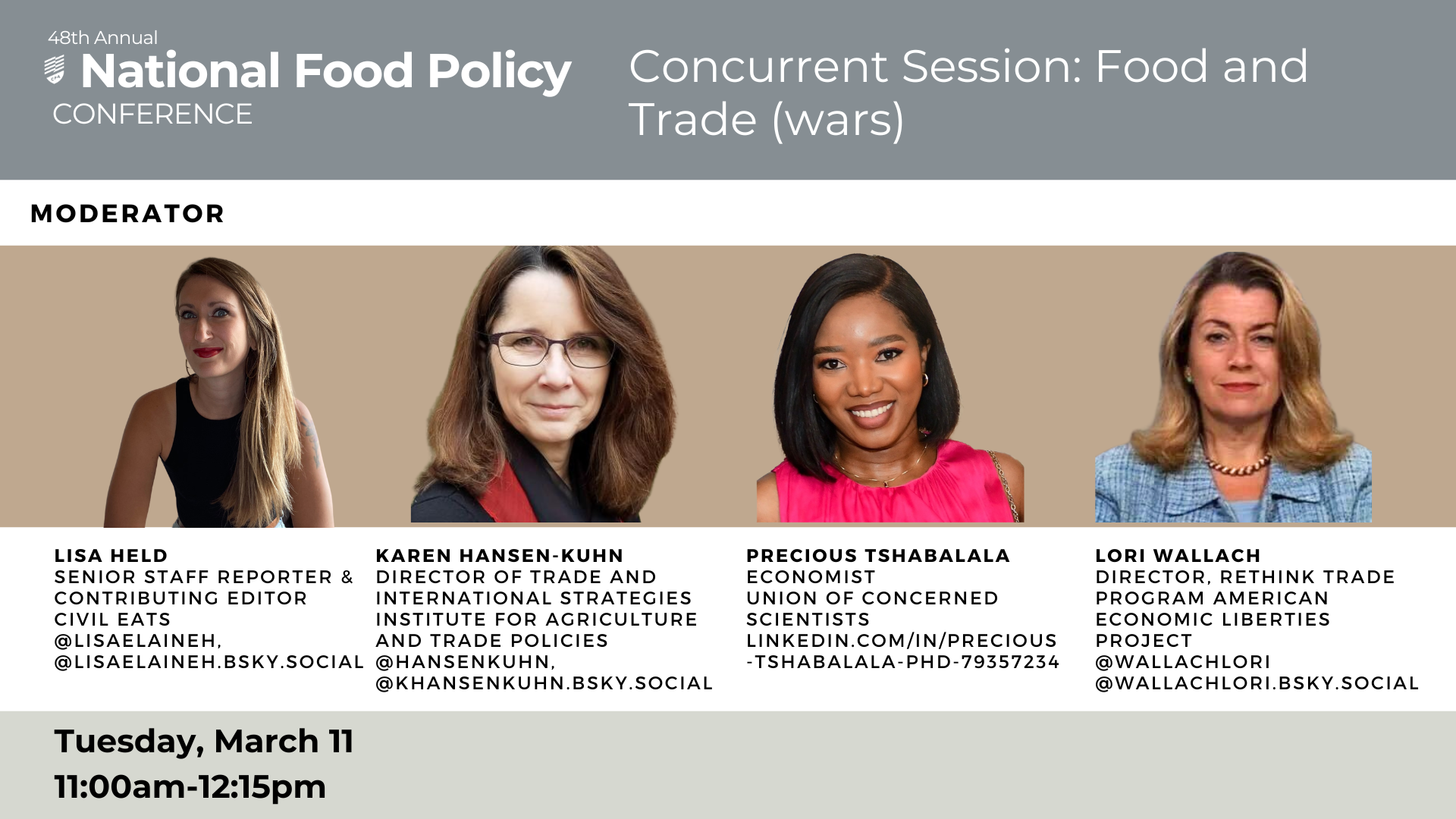
Concurrent Session: Food and Trade (wars)
The U.S. imports nearly a fifth of its food supply, including an estimated one third of vegetables and two-thirds of fruits. At the same time, U.S. companies export tens of billions of dollars’ worth of corn, soy, beef, pork, and other agricultural commodities. How will tariff hikes affect agricultural policy, food prices, and global hunger? What lessons can be learned from the first Trump Administration’s trade disputes with China and other major trading partners, and what can we expect this time around?
12:45 PM
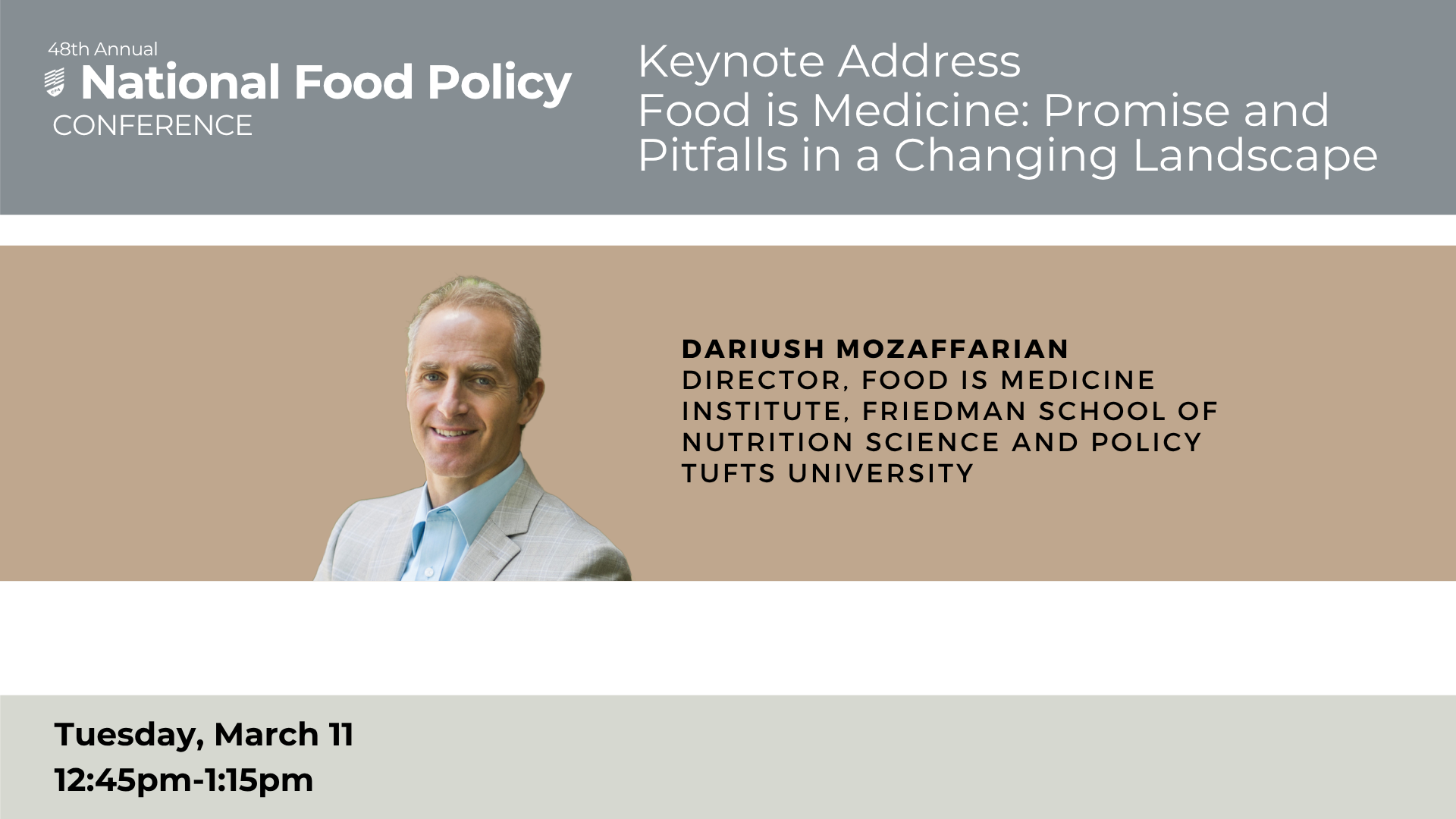
Keynote Address
Speaker
Dariush Mozaffarian
Director, Food is Medicine Institute
Friedman School of Nutrition Science and Policy Tufts University
1:15 PM
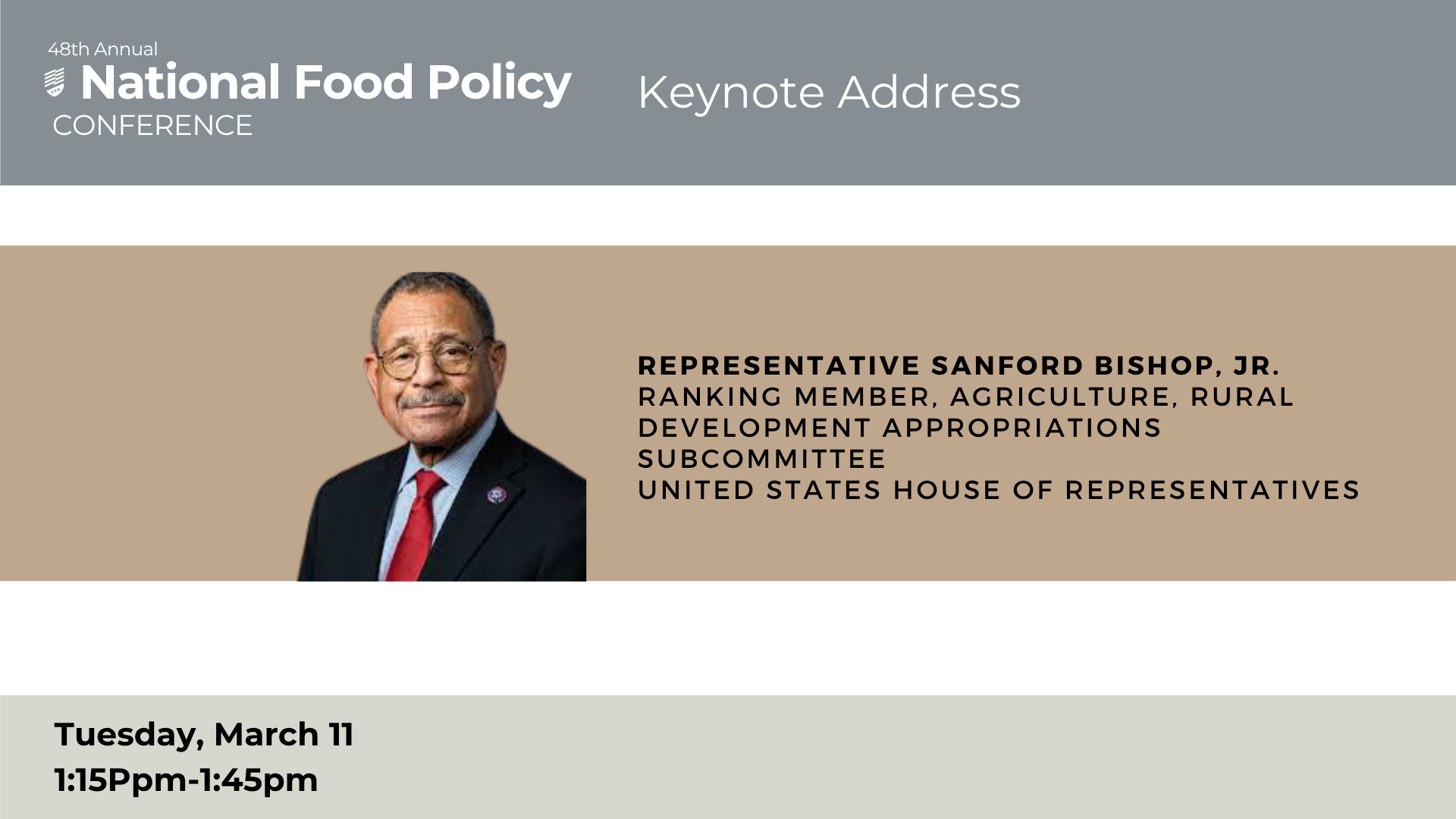
Keynote Address
Speaker
Representative Sanford Bishop, Jr.
Ranking Member, Agriculture, Rural Development Appropriations Subcommittee
United States House of Representatives
1:45 PM
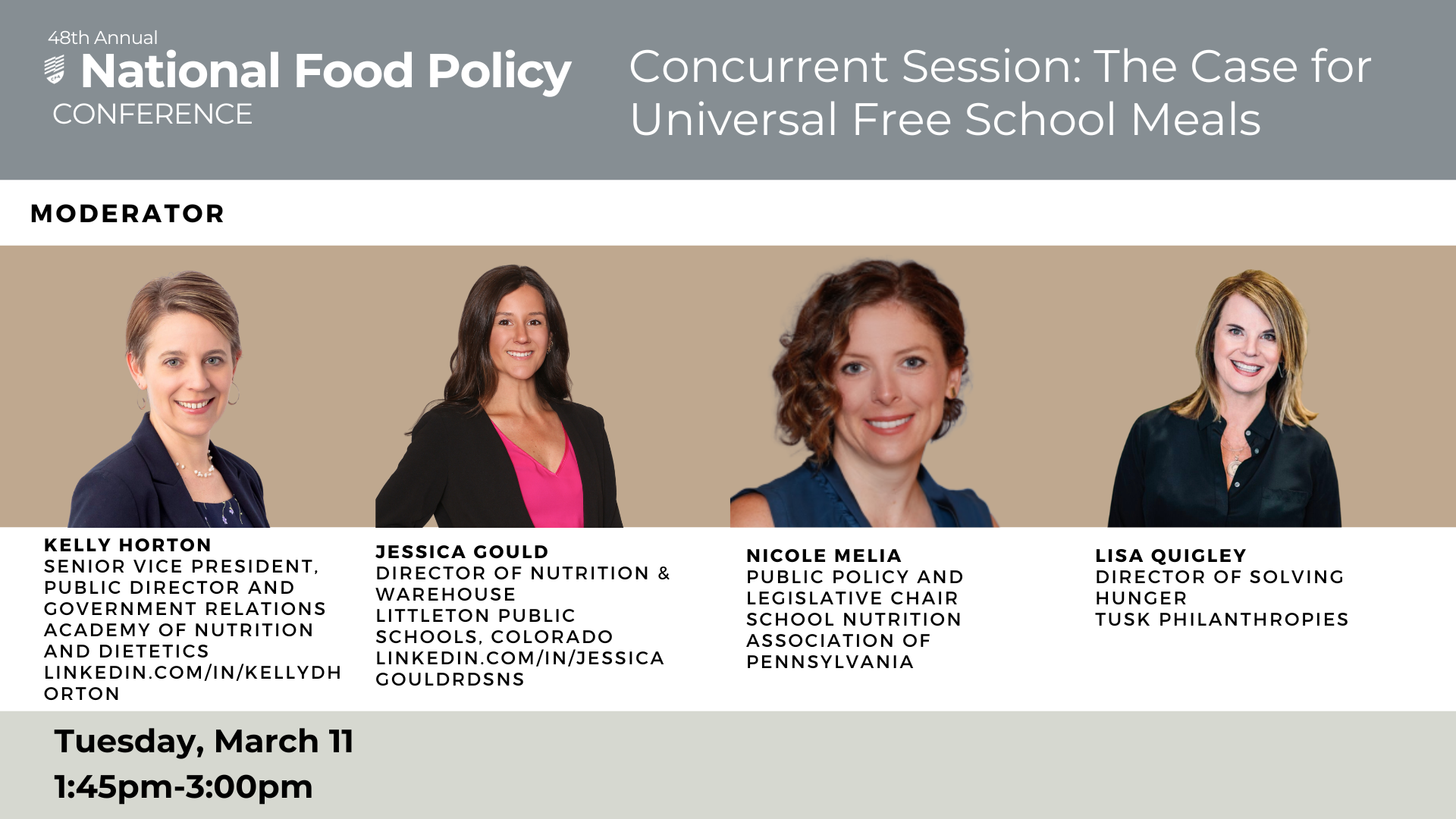
Concurrent Session: The Case for Universal Free School Meals
Americans got a taste of universal free school meals during the pandemic, and several states have opted to continue with the policy following the federal policy’s reversion to the status quo. Advocates claim that the policy boosts access to school meals, decreases administrative burden for school administrators and nutrition staff, and reduces stigma for students from families with low incomes. Opponents claim it is too expensive and fosters government dependency. What is the experience of states that have launched universal free school meals programs? How should these experiences inform federal school meal policy?
1:45 PM
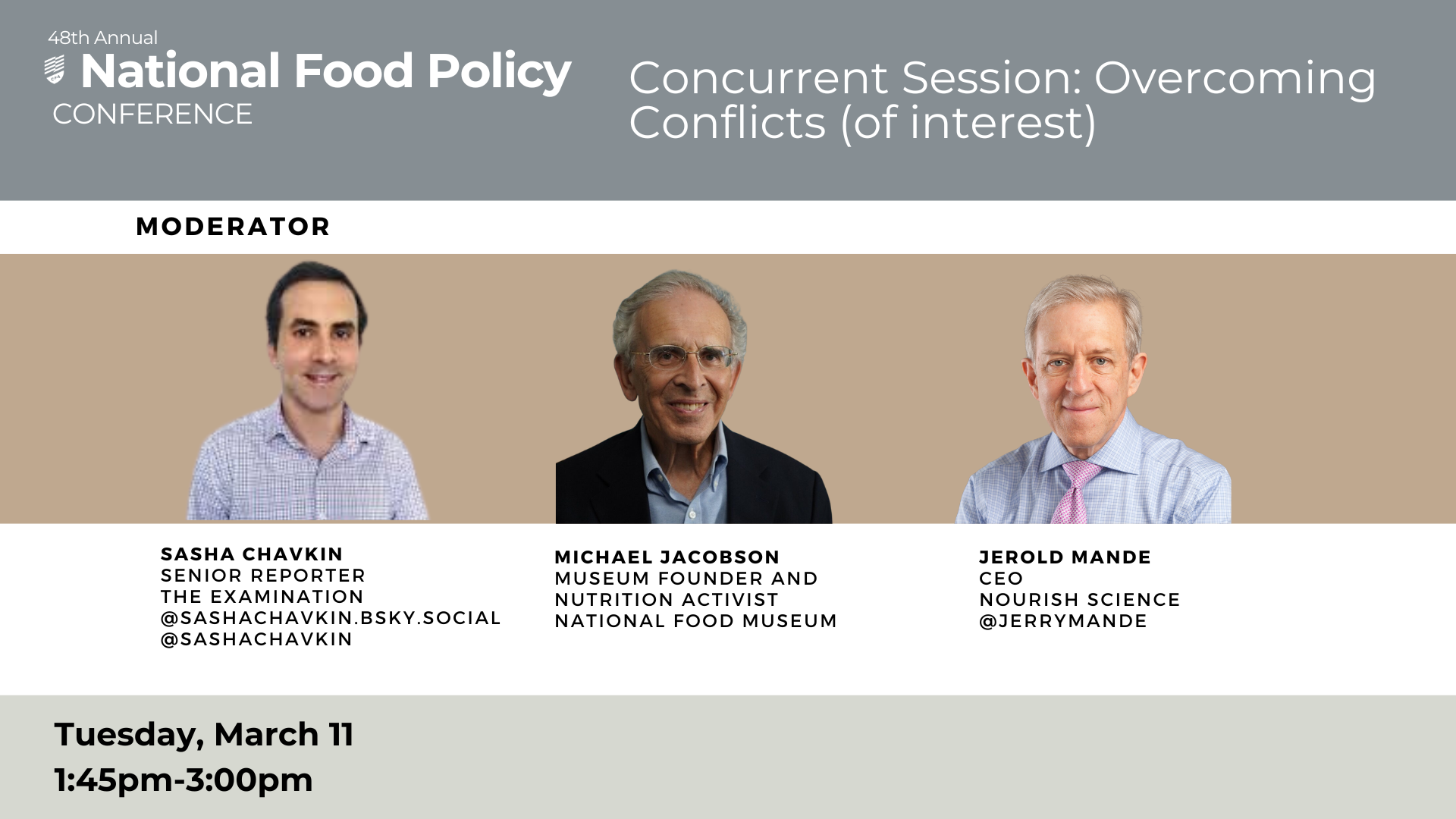
Concurrent Session: Overcoming Conflicts (of interest)
Amidst growing skepticism with experts and institutions generally, nutrition and food policy research has come under increasing scrutiny. Critics have cited research funding and consulting fees for nutritionists affiliated with the Dietary Guidelines Advisory Committee, the National Institutes of Health, major universities, and other public health authorities, as evidence of bias. Policymakers in the United Kingdom have recommended that food policy discussions “exclude food businesses” that produce less healthy products. What are the controls in place to manage conflicts of interest, and where do they fall short? What can policymakers do to restore trust in nutrition research and dietary guidance?
1:45 PM
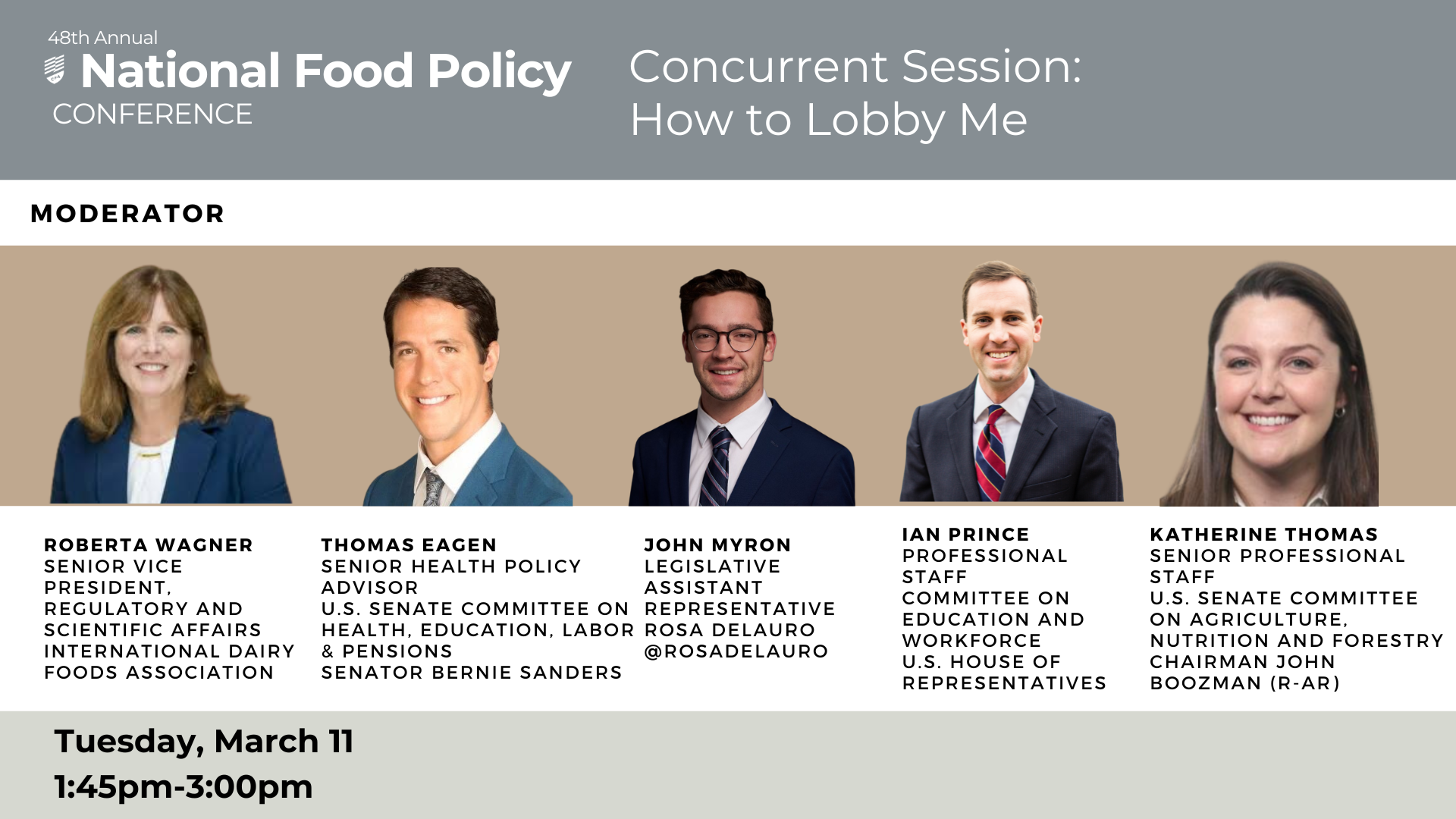
Concurrent Session: How to Lobby Me
Back by popular demand! Lobbying can feel daunting, but despite the noisy headlines about congressional chaos and dysfunction, lawmakers continue to govern, and advocacy on food policy can make a difference. In this session, congressional staffers will talk about what is most effective in persuading their bosses, and how you can refine your lobbying strategy to best succeed.
3:30 PM
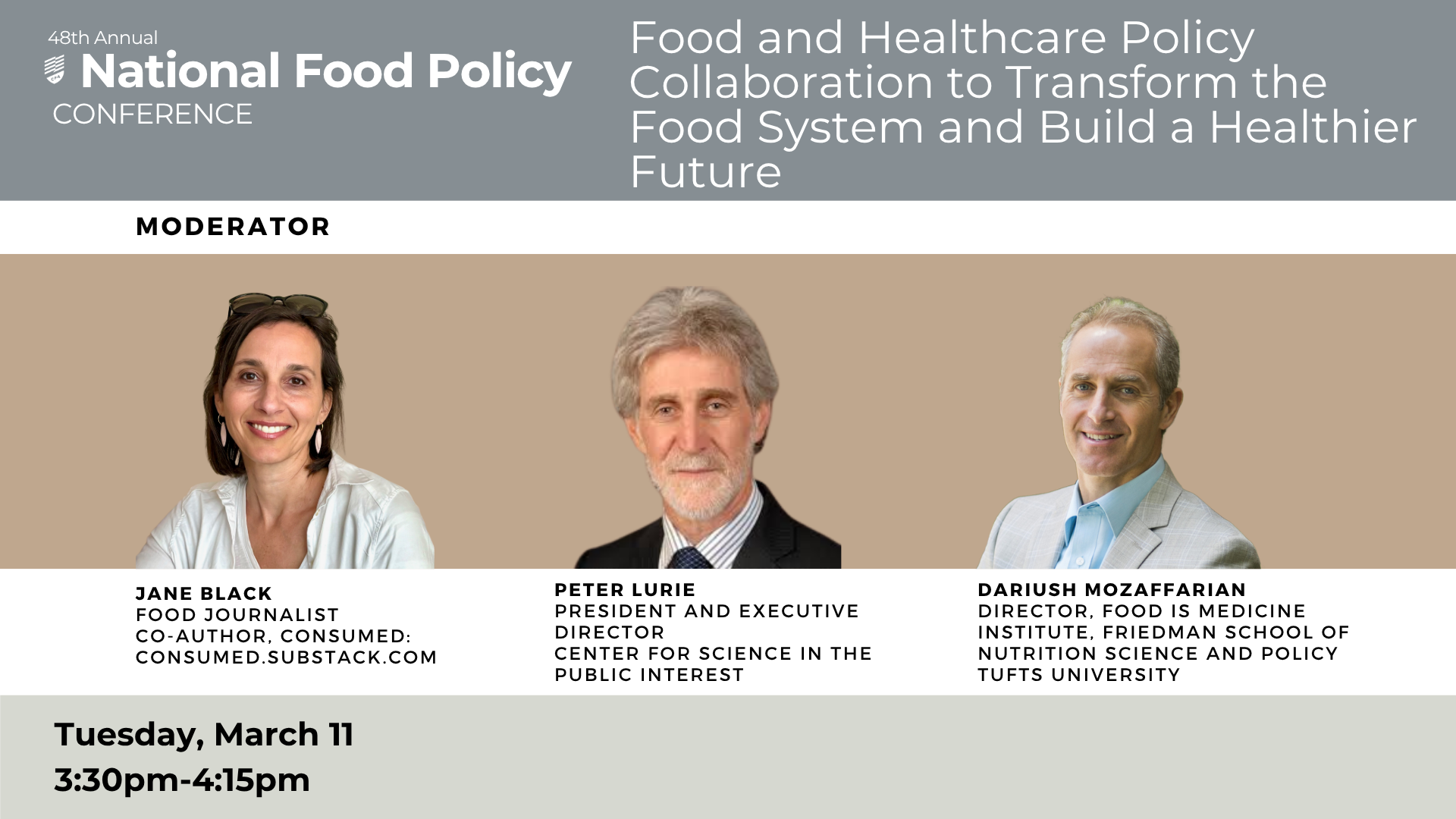
Plenary Session: Food and Healthcare Policy Collaboration to Transform the Food System and Build a Healthier Future
The U.S. spends more on healthcare than any other industrialized nation, yet life expectancy continues to decline, with much of our chronic disease burden driven by diet-related diseases. This session will examine the potential role of the healthcare system in a shifting regulatory and public health landscape, from the provision of clinical care, including the GLP-1 weight-loss drugs like Ozempic and Wegovy and “Food is Medicine” initiatives, to product regulation, including food ingredients and dietary supplements.
4:15 PM
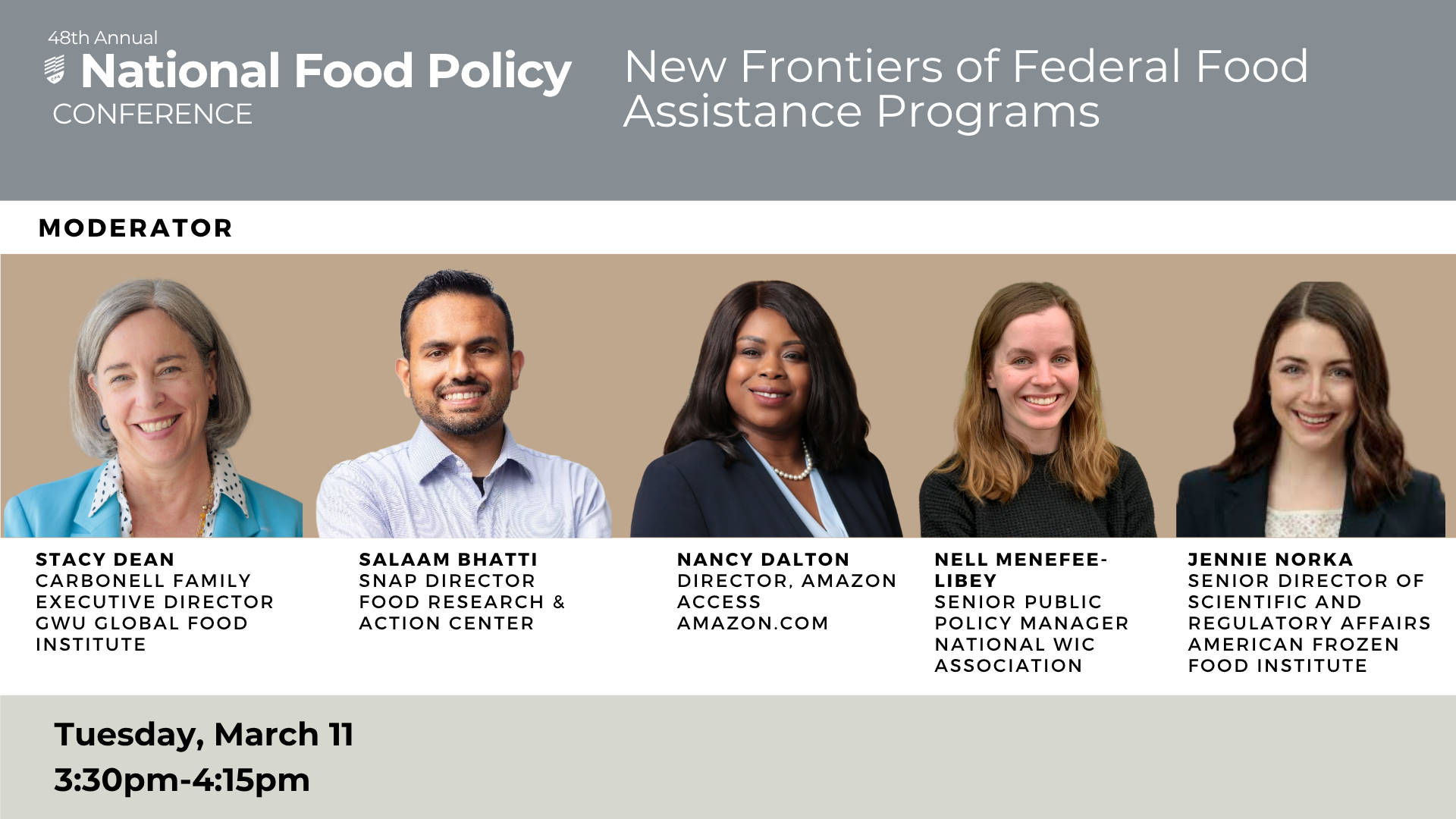
Plenary Session: New Frontiers of Federal Food Assistance Programs
Will the Supplemental Nutrition Assistance Program (SNAP) ever allow recipients to purchase hot food, or exclude products like soda? How are shifts to online purchasing in programs like SNAP and the Special Supplemental Nutrition Program for Women, Infants, and Children (WIC) playing out across the country? What future innovations are in store?
8:30 AM
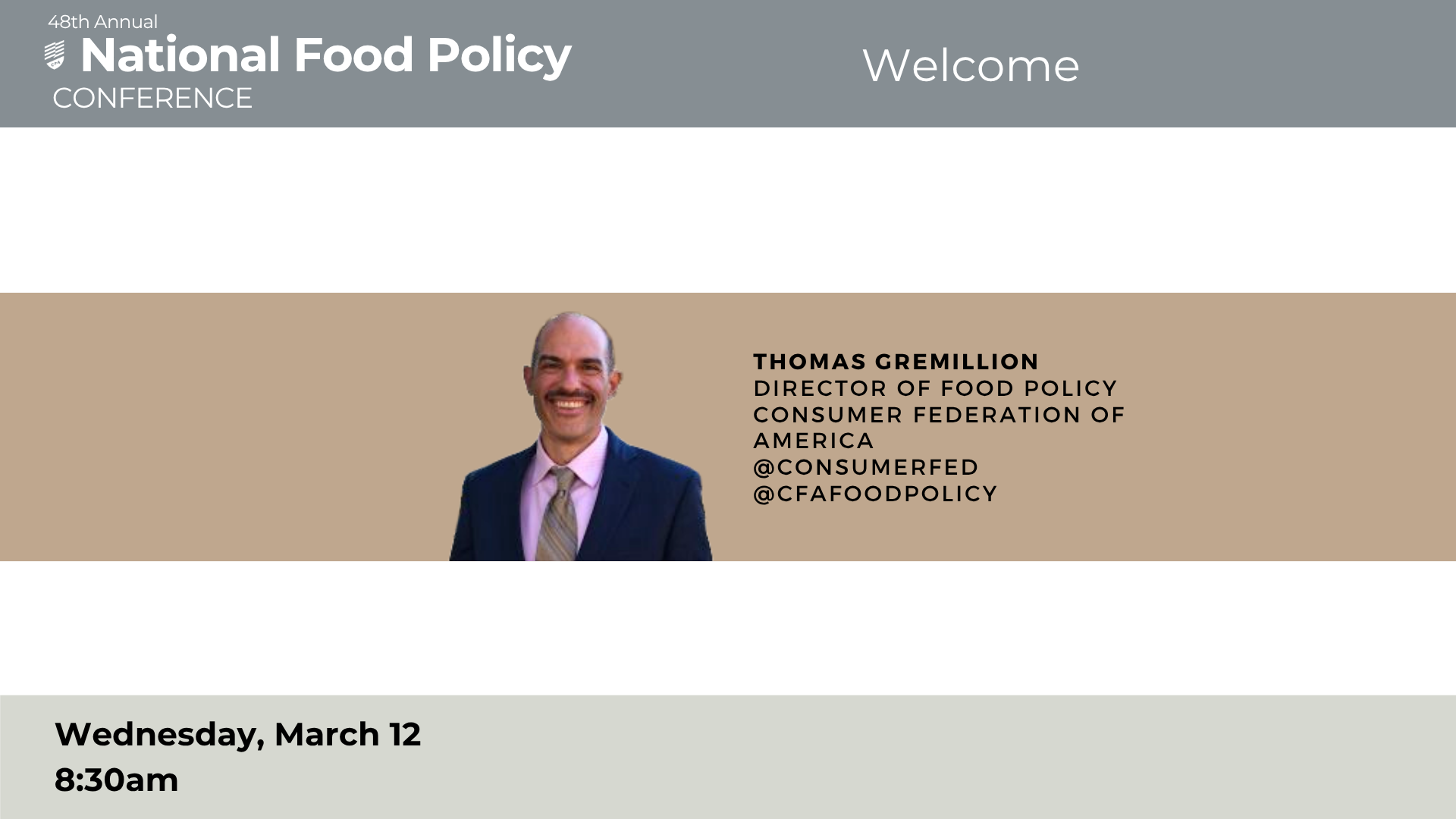
Welcome
Speaker
Thomas Gremillion
Director of Food Policy
Consumer Federation of America
9:00 AM
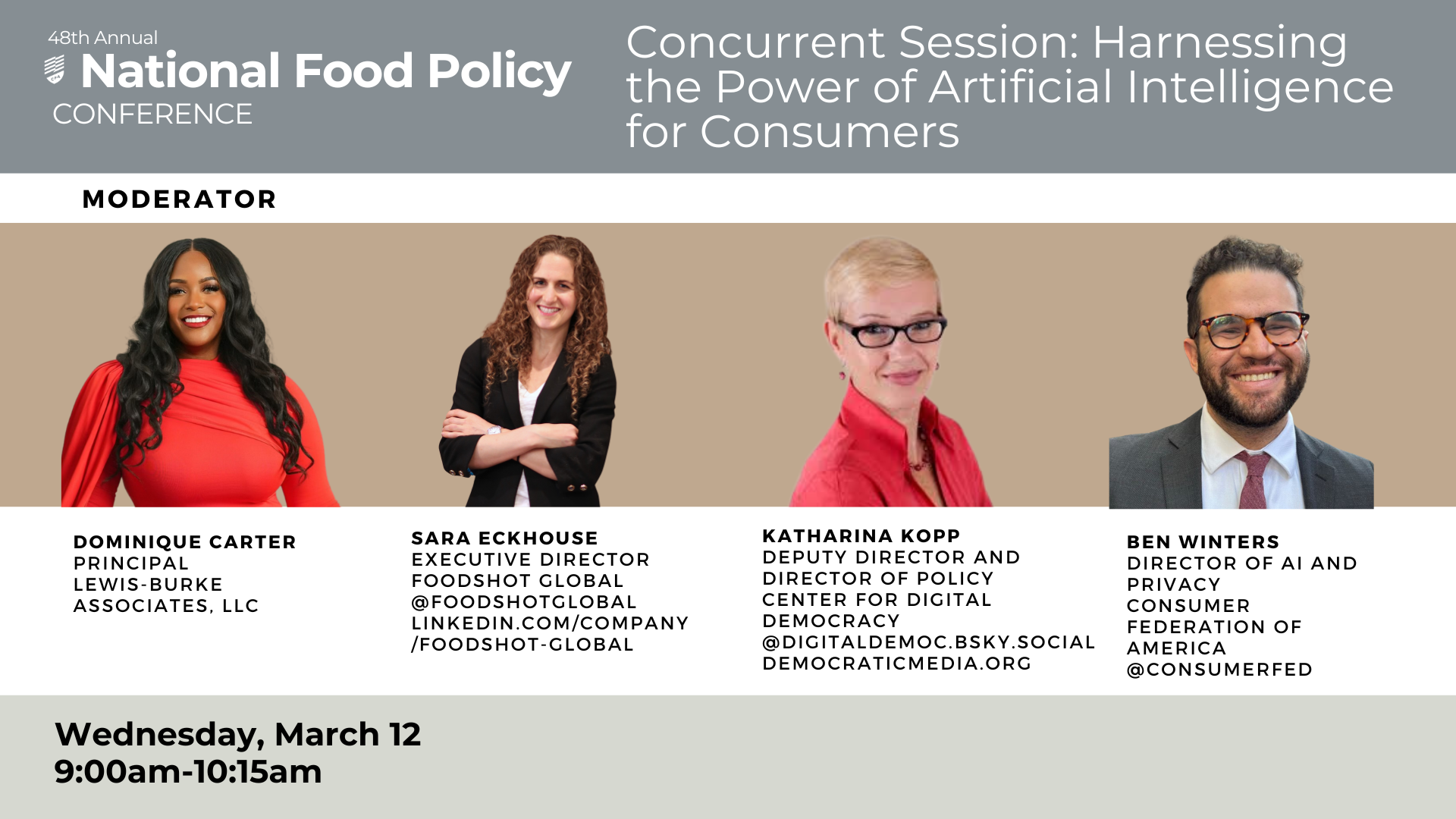
Concurrent Session: Harnessing the Power of Artificial Intelligence for Consumers
So far, the food industry’s investments in artificial intelligence have focused on using consumer data to refine marketing tactics. But tools like rapid pathogen detection, food environment mapping, and predictive analytics suggest further potential for A.I. to reduce food safety risk, boost nutrition, and cope with environmental stressors. Federal regulatory agencies are using A.I. for projects ranging from post-market surveillance of food ingredient safety, to measuring soil moisture. How can public policy help to ensure that artificial intelligence helps to improve diets, and not just companies’ bottom lines?
9:00 AM
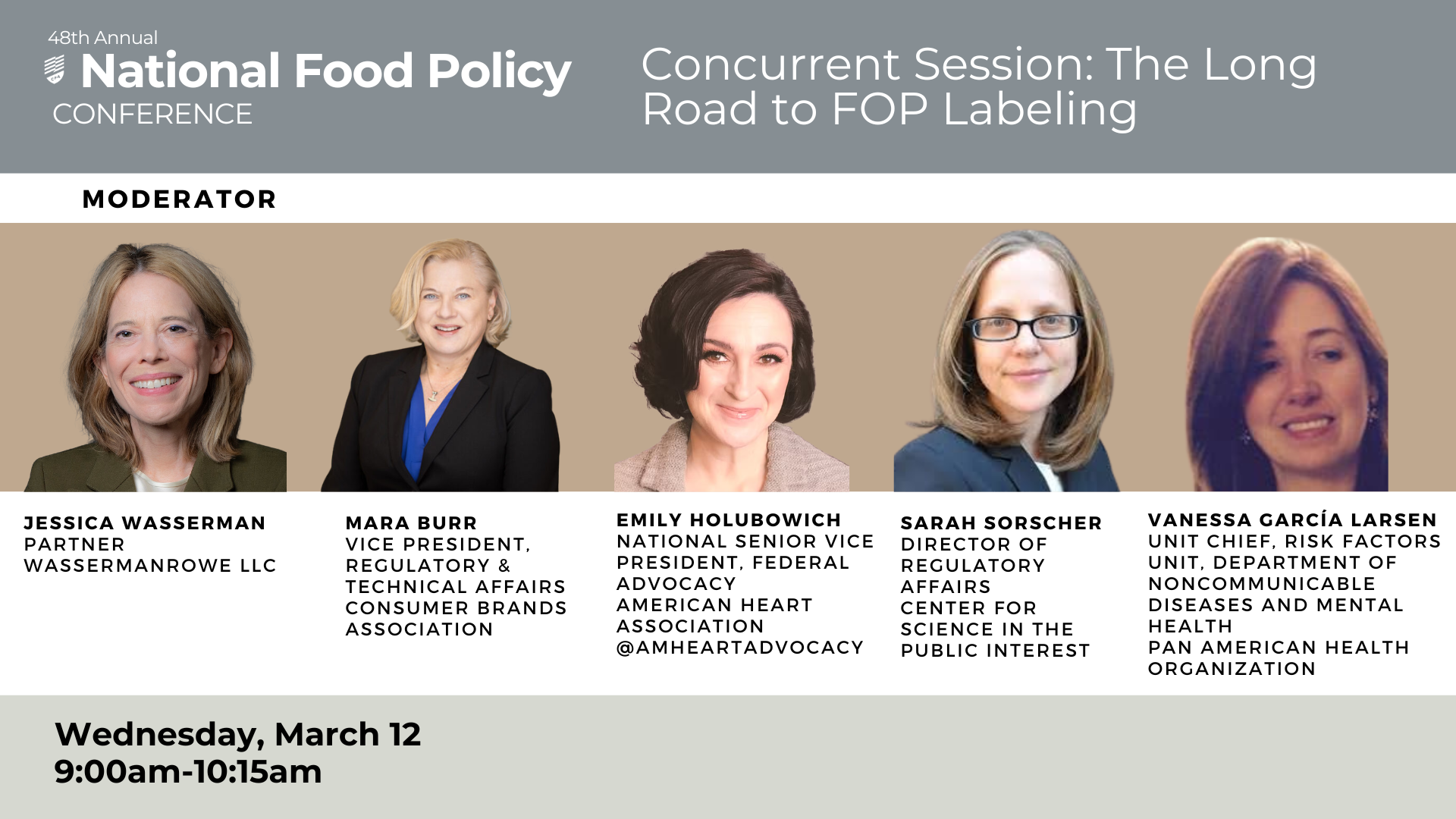
Concurrent Session: The Long Road to FOP Labeling
Dozens of countries use front-of-package (FOP) nutrition labels to draw attention to foods with high sugar, fat and sodium content. After decades of anticipation, FDA is on the cusp of mandating an FOP label for U.S. producers, but the proposal is controversial. How serious are challenges to the rule’s legality? What’s the evidence that FOP labeling rules make a difference to public health?
9:00 AM
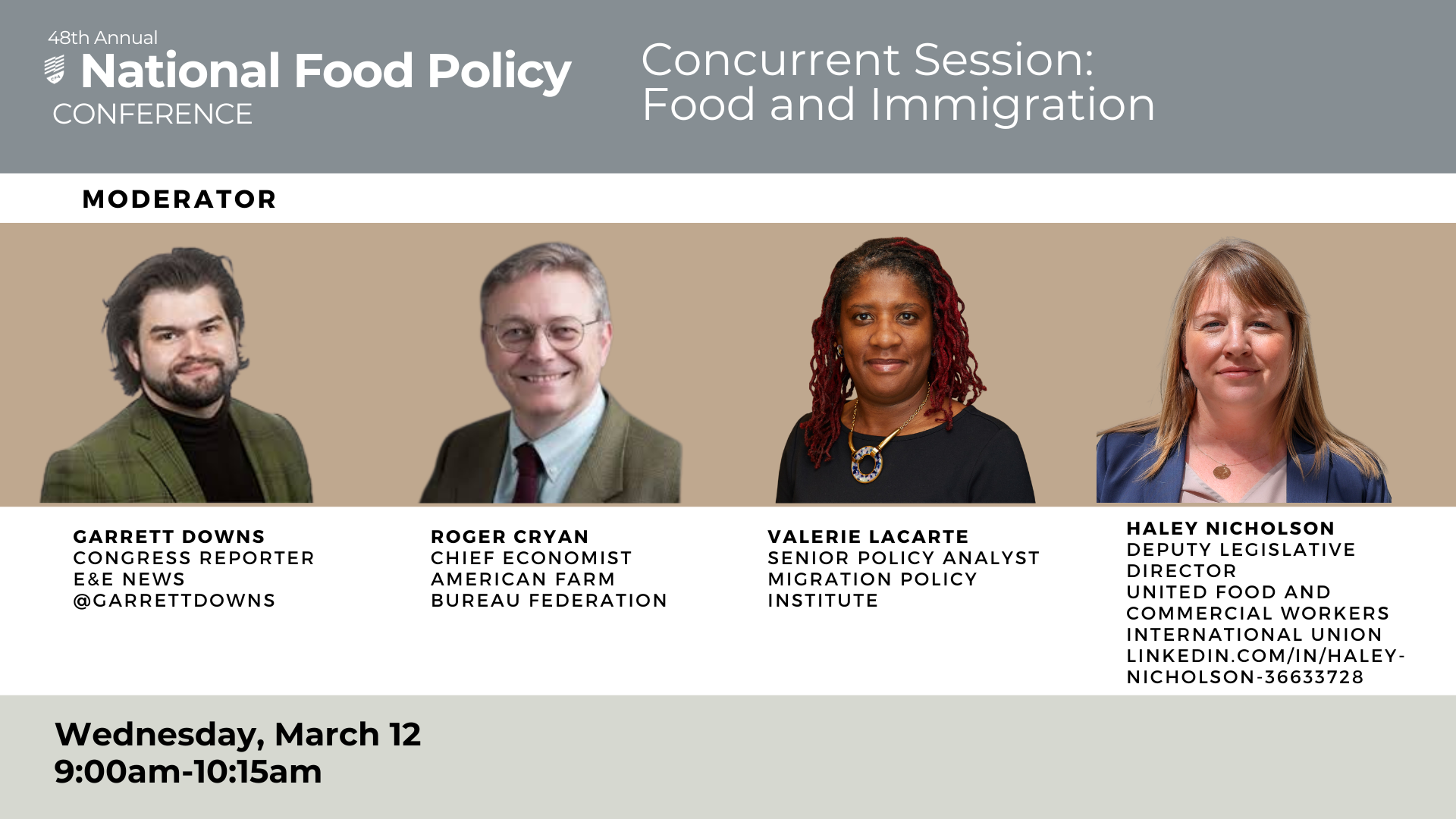
Concurrent Session: Food and Immigration
Immigration policy significantly influenced the 2024 elections, with 55% of voters indicating that they wanted immigration reduced and 20% of Trump voters citing it as their most important issue. Immigrants, many of them undocumented, play an outsized role in the food system. For example, USDA estimates that half of the 2.4 million agricultural farm workers are undocumented immigrants. How will policies to restrict new arrivals and deport those already here affect food prices, worker welfare, food industry innovation, competition, and other facets of the food system?
10:45 AM
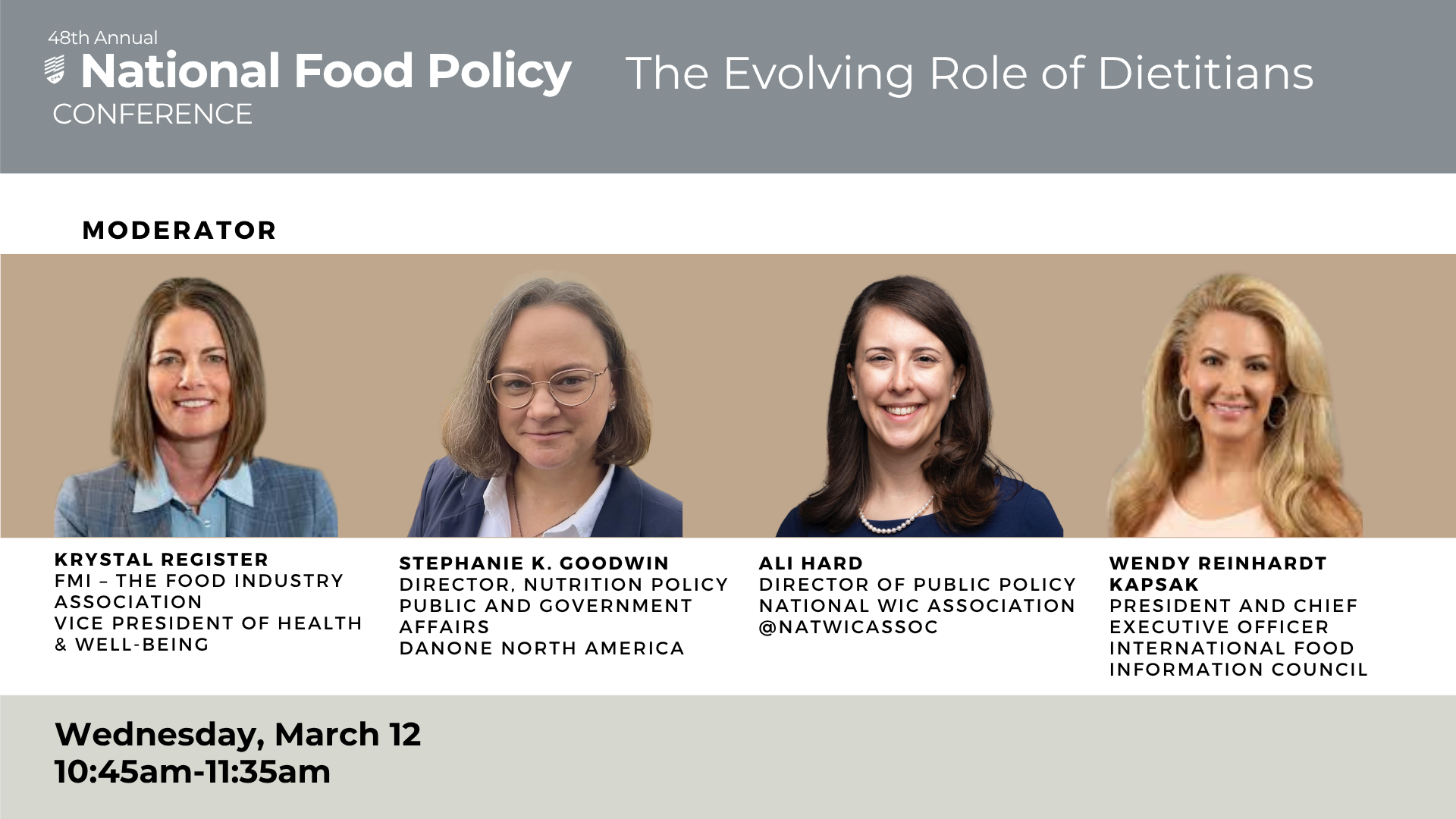
Plenary Session: The Evolving Role of Dietitians
As concerns have grown over Americans’ growing waistlines, so too has the demand for dietitians’ advice. Dietitians are increasingly raising awareness about preventative strategies to avoid chronic diet-related diseases, helping to manage pharmaceutical weight-loss interventions, and becoming more involved in public policy. At the same time, they are attracting greater scrutiny for perceived conflicts of interest. How are dietitians shaping, and being shaped by, food policy? A panel of dietitians will discuss the contributions that the profession has to offer, navigating ethical challenges, and responding to emerging evidence in nutrition science.
11:35 AM
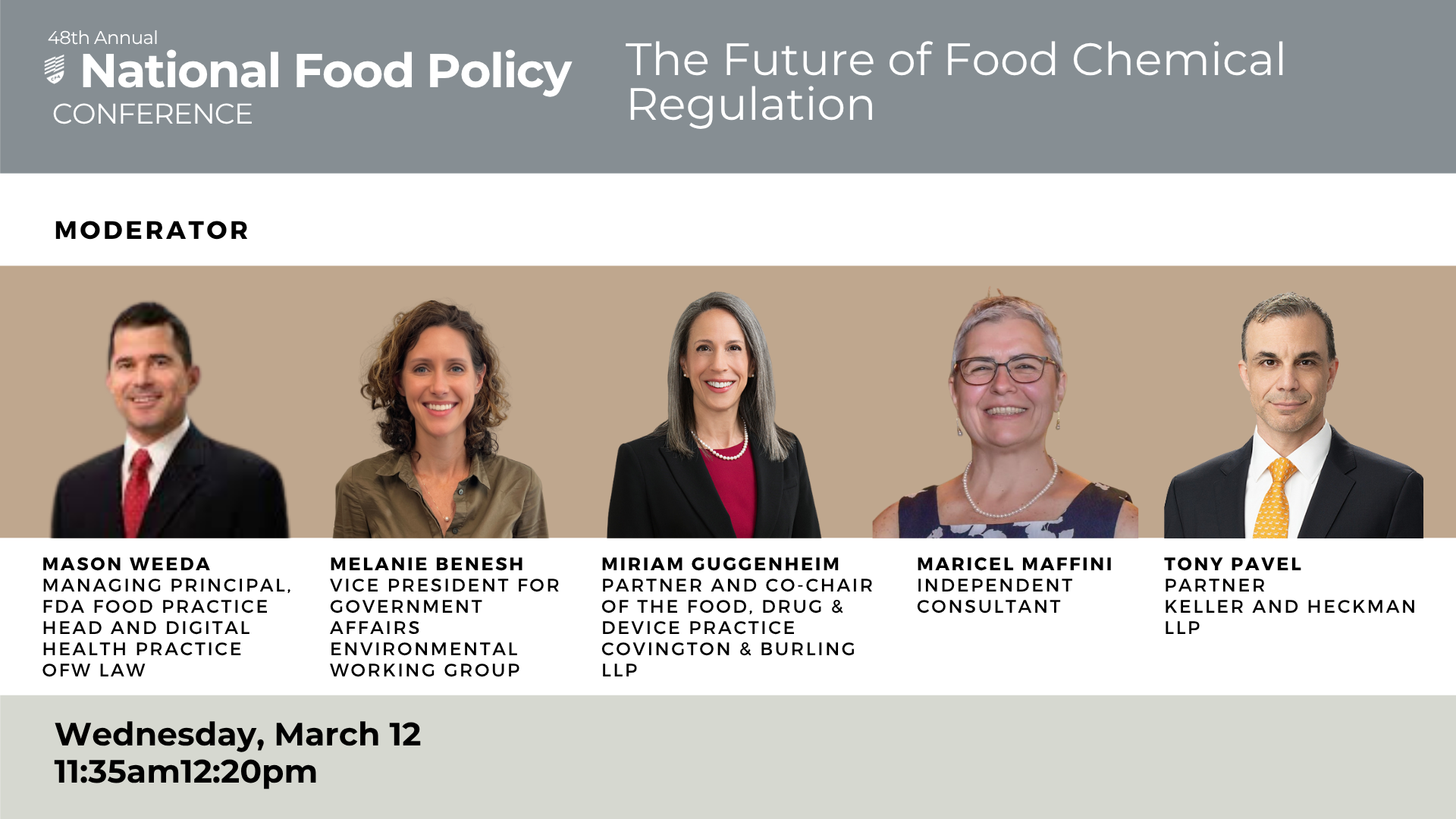
Plenary Session: The Future of Food Chemical Regulation
According to recent survey data, consumer concerns about chemicals in food are growing, with “ultra-processed” becoming the new buzz word. Champions for reform have pointed out that many popular American food brands are sold in countries abroad with different lists of ingredients that omit synthetic food dyes and other additives of concern. How do regulatory requirements for food ingredients in countries like Canada and the European Union differ from those in the U.S.? How do they affect the foods available to consumers? What is the food industry’s role in evaluating food additive safety?
2025 NATIONAL FOOD POLICY CONFERENCE SPONSORS
Benefactor
Amazon
Underwriters
American Frozen Food Institute
Cargill, Inc.
Danone North America
FMI – The Food Industry Association
Mars, Inc.
United Food and Commercial Workers International Union
Patrons
Academy of Nutrition and Dietetics
Consumer Brands Association
International Dairy Food Association
Sponsors
NSF International
Watkinson Miller PLLC
International Food Information Council