Sign up to receive e-mail updates about conferences and events.
47th Annual National Food Policy Conference

8:15 AM
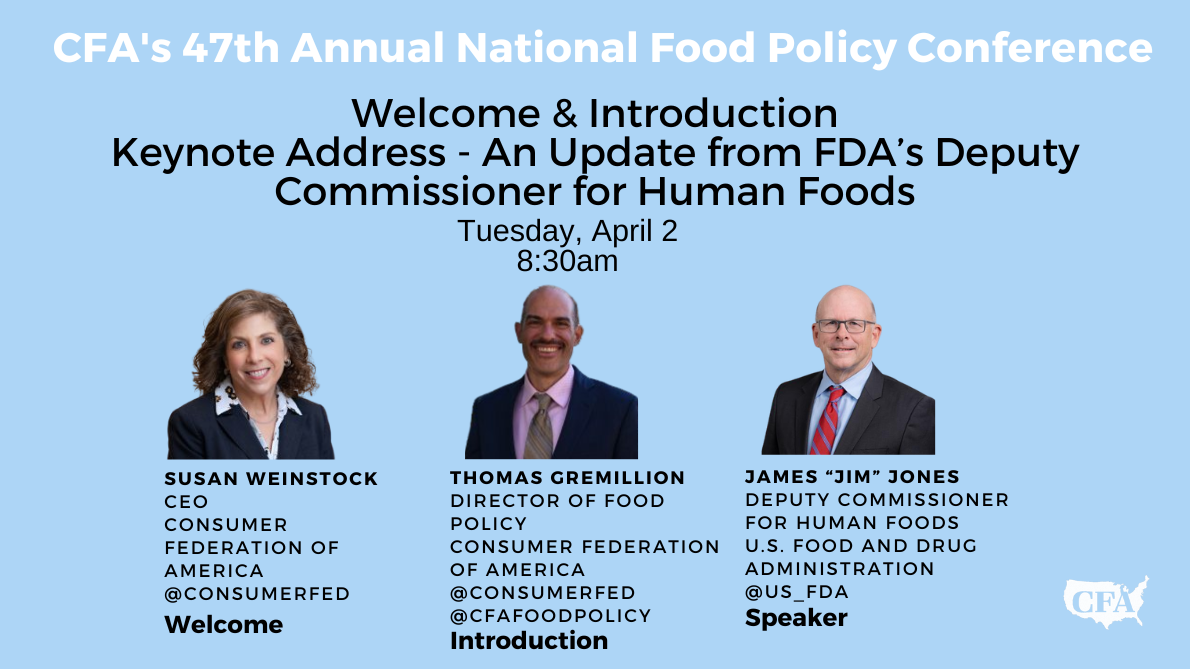
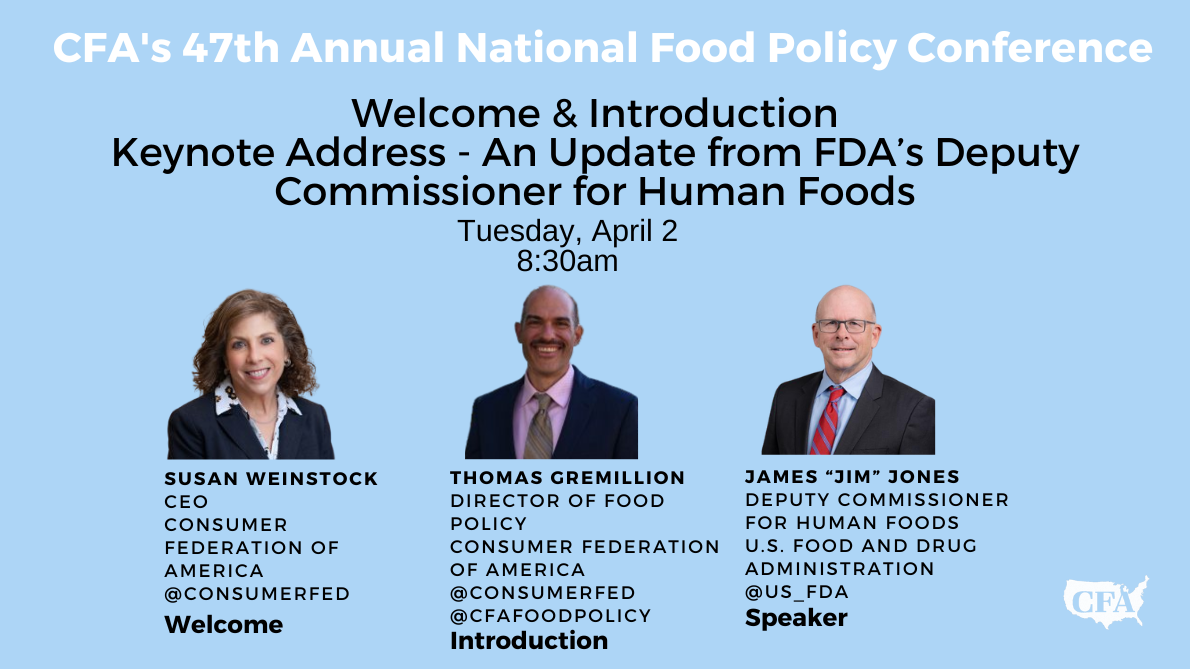
Welcome & Introduction
Speakers
Susan Weinstock
President & CEO
Consumer Federation of America
Thomas Gremillion
Director of Food Policy
Consumer Federation of America
8:30 AM
Keynote Address: An Update from FDA’s Deputy Commissioner for Human Foods
James “Jim” Jones
Deputy Commissioner for Human Foods
U.S. Food and Drug Administration
@US_FDA
9:00 AM
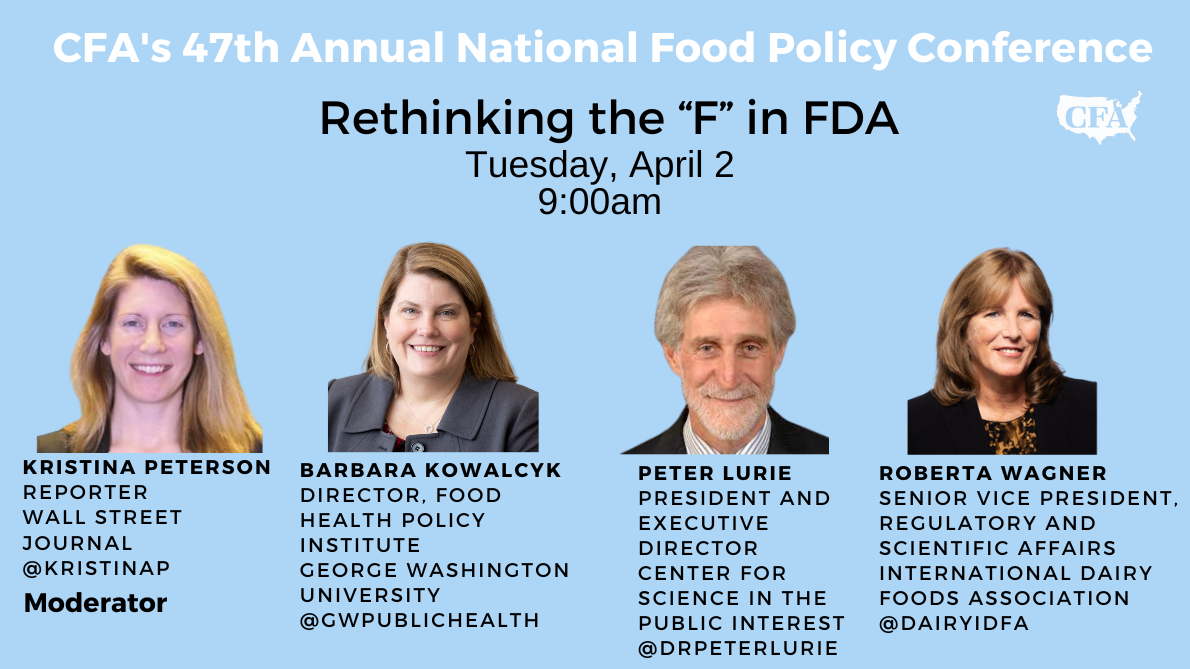
Panel Discussion: Rethinking the “F” in FDA
FDA’s role in regulating the food supply has received intense criticism in the wake of foodborne illness scares linked to products ranging from fresh produce to infant formula. The agency is currently undergoing a reorganization that its proponents claim will make the agency’s food apparatus more accountable and responsive in the event of a crisis, but stakeholders have questioned whether it goes far enough. What reforms are needed to improve FDA’s regulation of the food supply? Is the current plan adequate?
9:50 AM
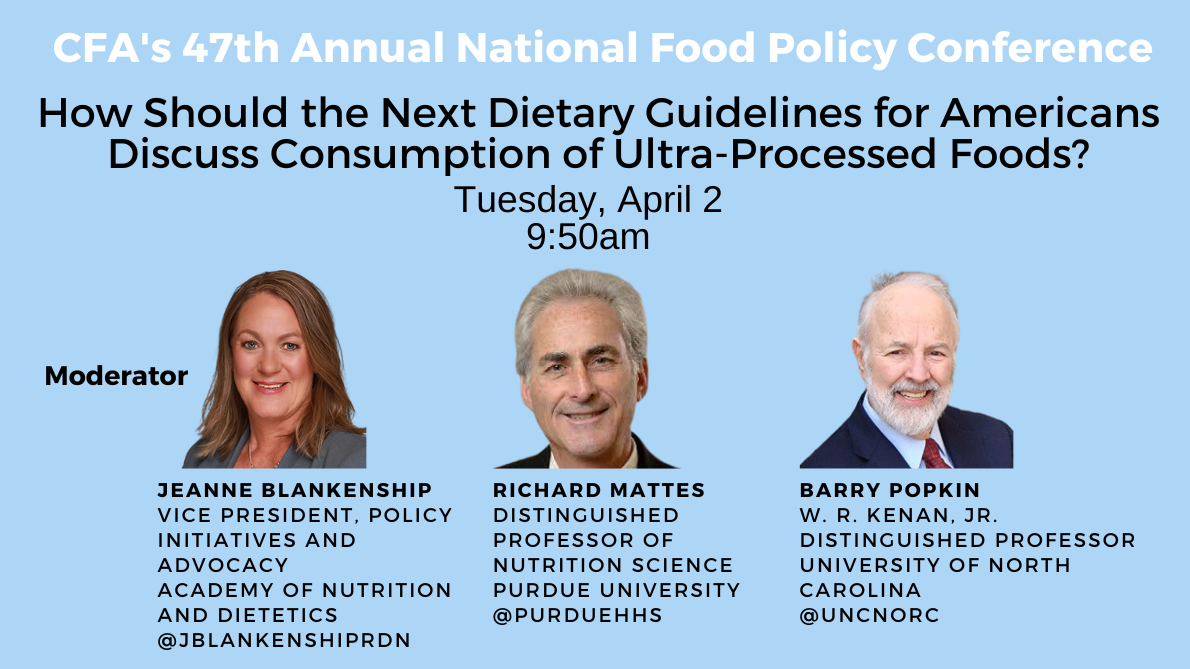
Debate: How should the next Dietary Guidelines for Americans discuss consumption of ultra-processed foods?
A broad scientific consensus acknowledges that so-called ultra-processed food (UPF) consumption is associated with obesity and other diet-related diseases. The policy implications of this growing epidemiological evidence, however, remains controversial. Some nutrition researchers favor expressly discouraging consumption of UPFs. Others caution that so little is known about what specific qualities of UPFs may be problematic, and how they may cause observed associations, that guidance to avoid them could drive consumers to less healthy choices. In this debate, two renowned nutrition researchers will explore these opposing positions.
11:00 AM
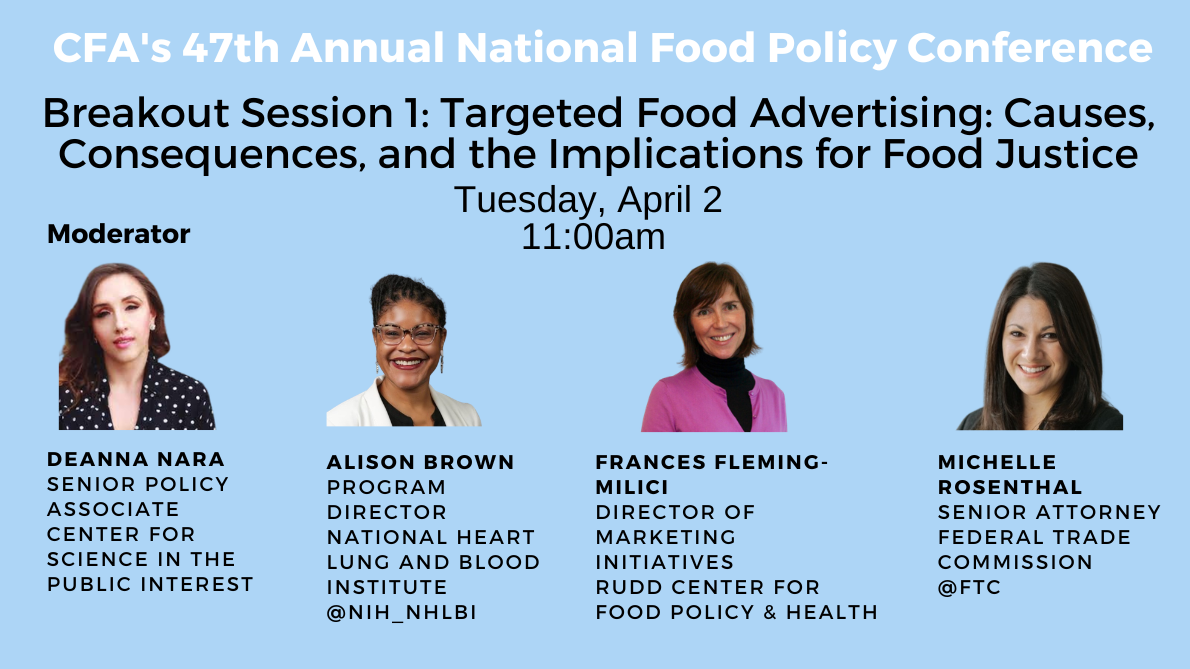
Breakout Session: Targeted Food Advertising: Causes, Consequences, and the Implications for Food Justice
Food companies spend billions marketing to children, and researchers have found that unhealthy food advertising disproportionately targets Black and Hispanic children. As consumers shift to new technological platforms for entertainment and education, new concerns have arisen regarding manipulative marketing practices. What is the food industry doing to counteract economic incentives for targeted advertising? What are the impacts of this advertising on public health, and health equity? What can policymakers do to protect consumers?
11:00 AM
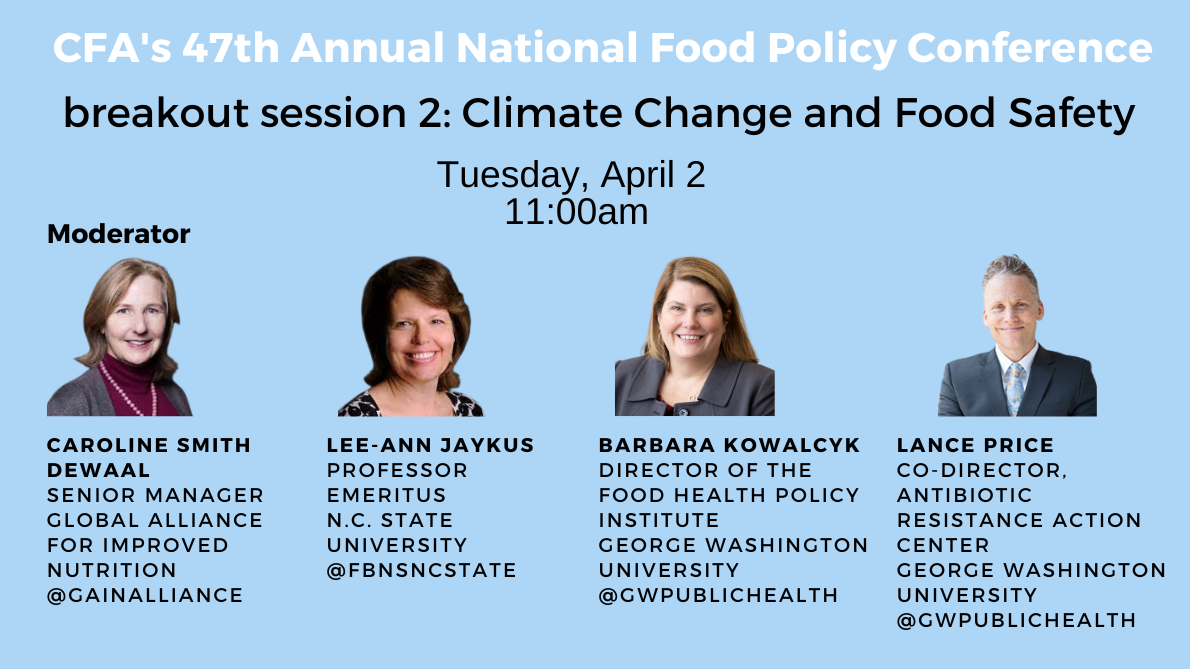
Breakout Session 2: Climate Change and Food Safety
Rising temperatures are increasing the habitat of many pathogens’ natural habitats, straining refrigeration capacity critical to keeping dangerous microbes in check, compromising water supplies with the potential to transmit disease, and generally creating economic pressures for producers to cut corners when it comes to food safety.
11:00 AM
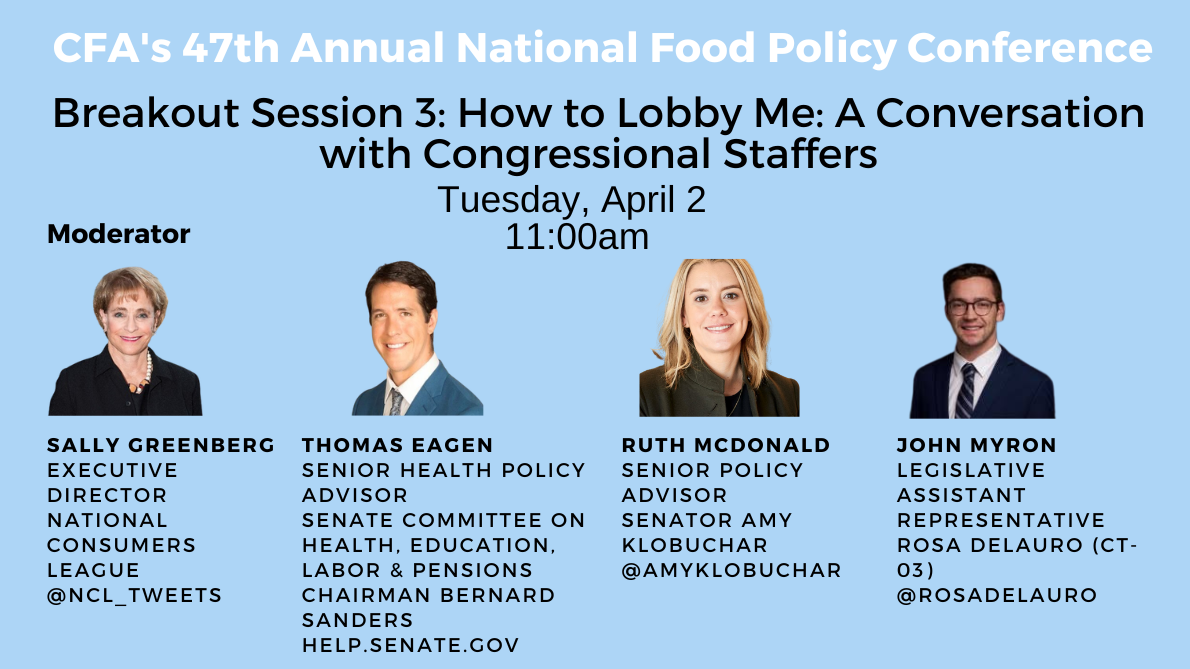
Breakout Session 3: How to Lobby Me: A Conversation with Congressional Staffers
Lobbying can feel daunting, but despite the noisy headlines about congressional chaos and dysfunction, lawmakers continue to govern, and advocacy on food policy can make a difference. In this session, congressional staffers will talk about what is most effective in persuading their bosses, and how you can refine your lobbying strategy to best succeed.
12:45 PM
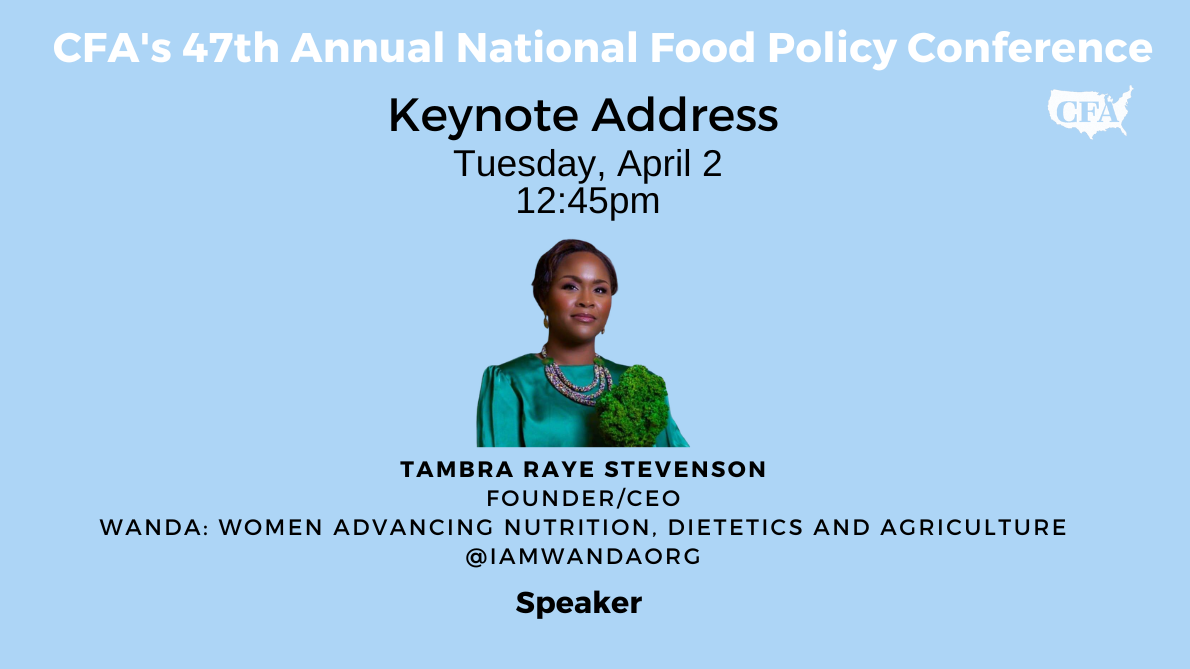
Keynote Address - The Rise of the Food Citizen: Advancing a Food Bill of Rights
Speaker
Tambra Raye Stevenson
Founder/CEO
WANDA: Women Advancing Nutrition, Dietetics and Agriculture
@IamWANDAorg
1:30 PM
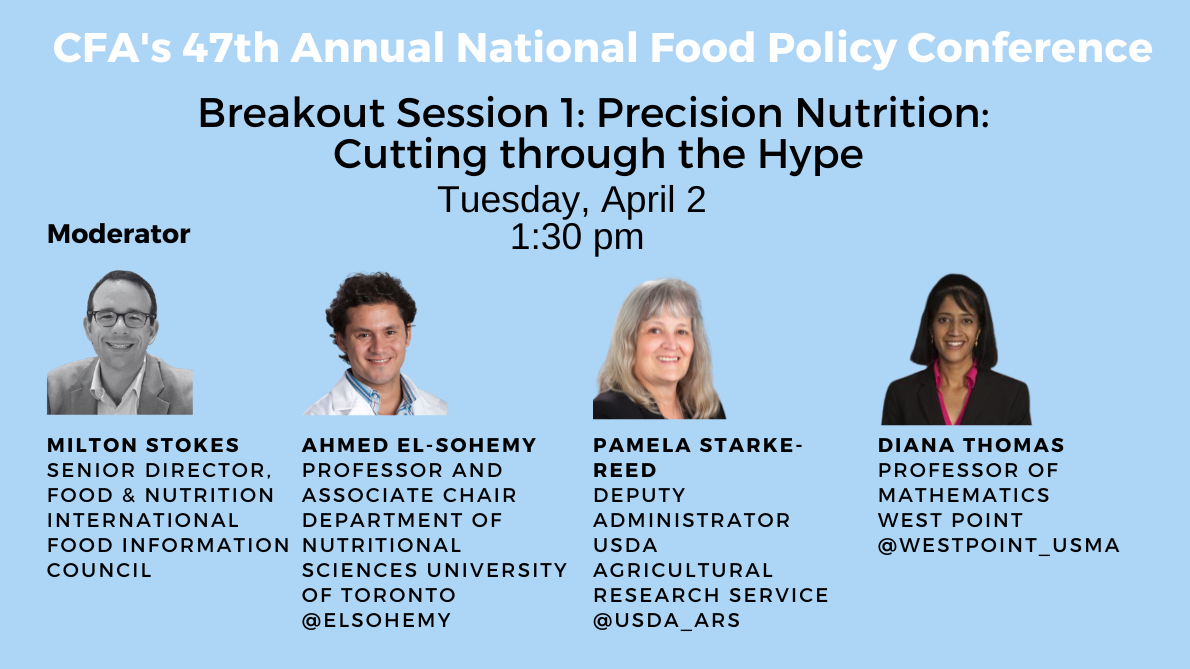
Breakout Session 1: Precision Nutrition: Cutting through the Hype
Start-up companies are harnessing new technologies to tailor diets based on individual’s blood sugar, vitamin levels, microbiota, and other variables. Significant federal research funding is now dedicated to advancing the understanding of individual responses to food and dietary patterns, with the stated aim of helping consumers and healthcare providers to adopt effective diet plans. But does healthy eating need to be so complicated? How do the proponents of precision nutrition seek to reform food policy like the Dietary Guidelines for Americans, and how relevant is personalized nutrition to typical consumers?
1:30 PM
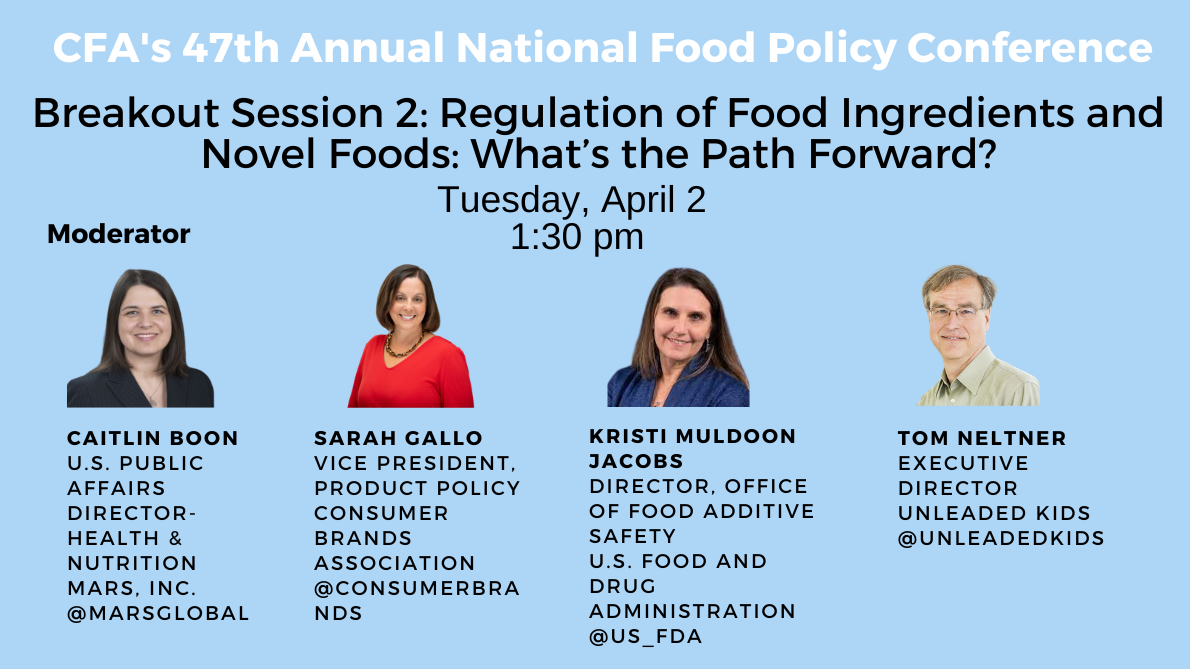
Breakout Session 2: Regulation of Food Ingredients and Novel Foods: What’s the Path Forward?
Federal regulators have struggled to maintain consumer confidence in the safety of existing food additives, not to mention new food ingredients and manufacturing techniques. Critics have seized on policies such as FDA’s “Generally Recognized as Safe” notification program as lacking rigor and transparency, and raised questions about what level of review is needed as novel technologies are brought to market. Unsatisfied with FDA’s slow review of existing food additives’ safety, state policymakers have recently acted to ban some of them. Can federal reform offer better assurance to consumers? If so, what are the barriers to achieving better regulation of food ingredient safety?
1:30 PM
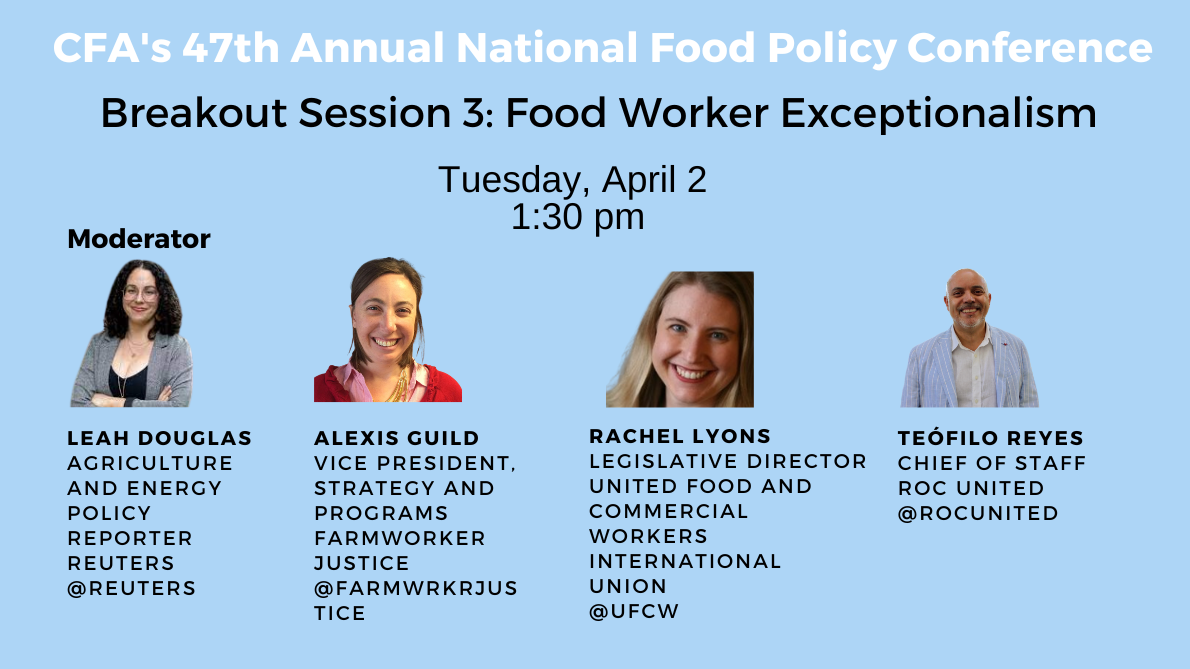
Breakout Session 3: Food Worker Exceptionalism
Labor is in high demand across the U.S. economy, and food workers—from farms to processing plants to restaurants—are advocating for better treatment. This panel will explore the special challenges that workers in the food and agricultural sector have had to contend with over the years, and the state and federal reforms underway or under debate that will affect the future of food work.
2:45 PM
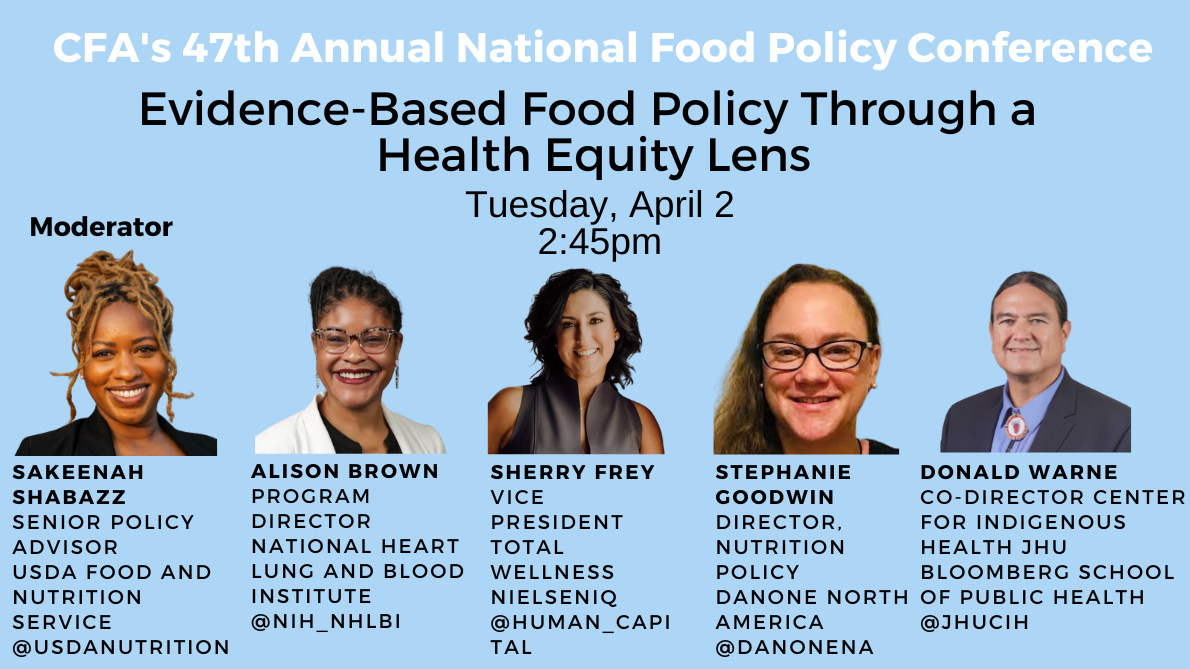
Panel Discussion: Evidence-Based Food Policy Through a Health Equity Lens
For the first time, the Dietary Guidelines Advisory Committee has been charged with adopting a “health equity lens” in its scientific review. The goal is to formulate nutrition advice that is “relevant to people with diverse racial, ethnic, socioeconomic, and cultural backgrounds,” but more broadly, disparities in the burden of diet-related disease have fueled calls for integrating equity considerations into food policy writ large. This panel will explore the rationale for applying a health equity lens to food policy, and the impact on specific areas such as school meals, nutrition education, advertising regulation, and federal food assistance programs.
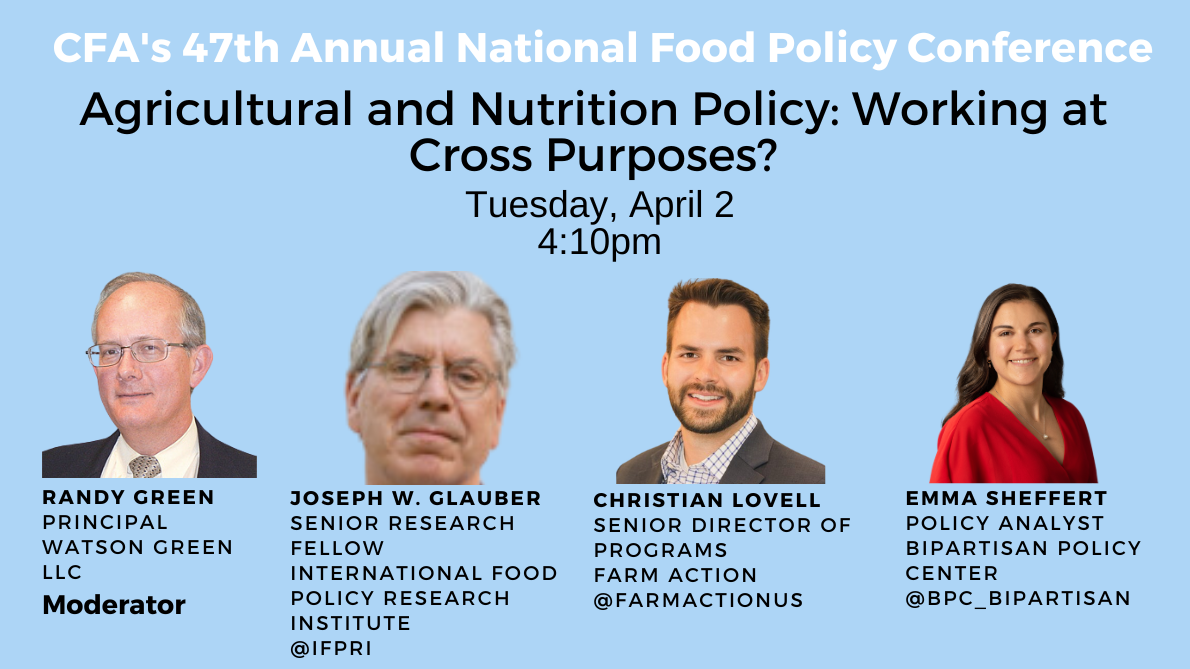
4:10 PM
Panel Discussion: Agricultural and Nutrition Policy: Working at Cross Purposes?
Half of the federal MyPlate nutrition guidance is devoted to fruits and vegetables, yet these foods receive only a tiny fraction of agricultural subsidies. Some advocates have argued that redirecting insurance supports and other payments away from commodity farmers to so-called “specialty crop” producers would support healthier diets. Others argue that ag subsidies have a negligible impact on food prices, and federal policy reform efforts should instead focus on incentives for healthier eating in food assistance programs like WIC and SNAP. What is the best way to get Americans to eat their vegetables, and also support the farmers that grow them?
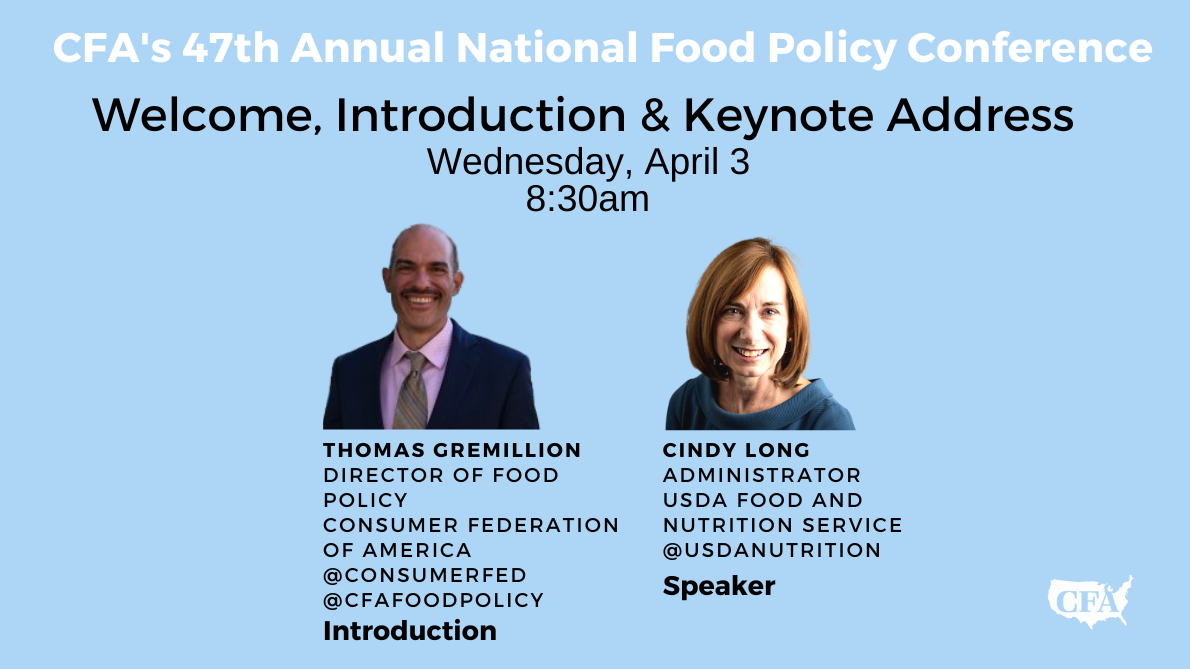
8:25 AM
Welcome & Keynote Introduction
Welcome
Thomas Gremillion
Director of Food Policy
Consumer Federation of America
Keynote Speaker
Cindy Long
Administrator
USDA Food and Nutrition Service
@USDANutrition
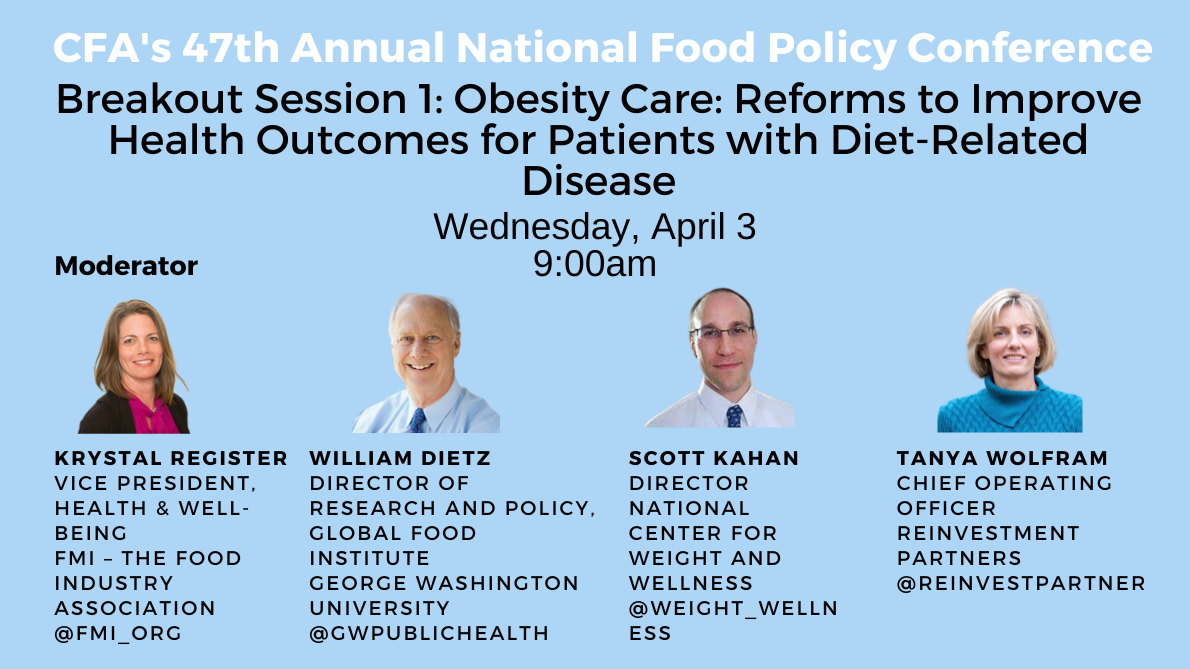
9:00 AM
Breakout Session 1: Obesity Care: Reforms to Improve Health Outcomes for Patients with Diet-Related Disease
Nearly 40% of U.S. adults suffer from obesity, which is associated with significantly increased risk of various chronic diseases and health conditions, dramatically increased mortality, and skyrocketing healthcare costs. This panel will explore the tools available to medical practitioners for treating patients with obesity, reforms to healthcare policy currently under debate, and the implications for the food system.
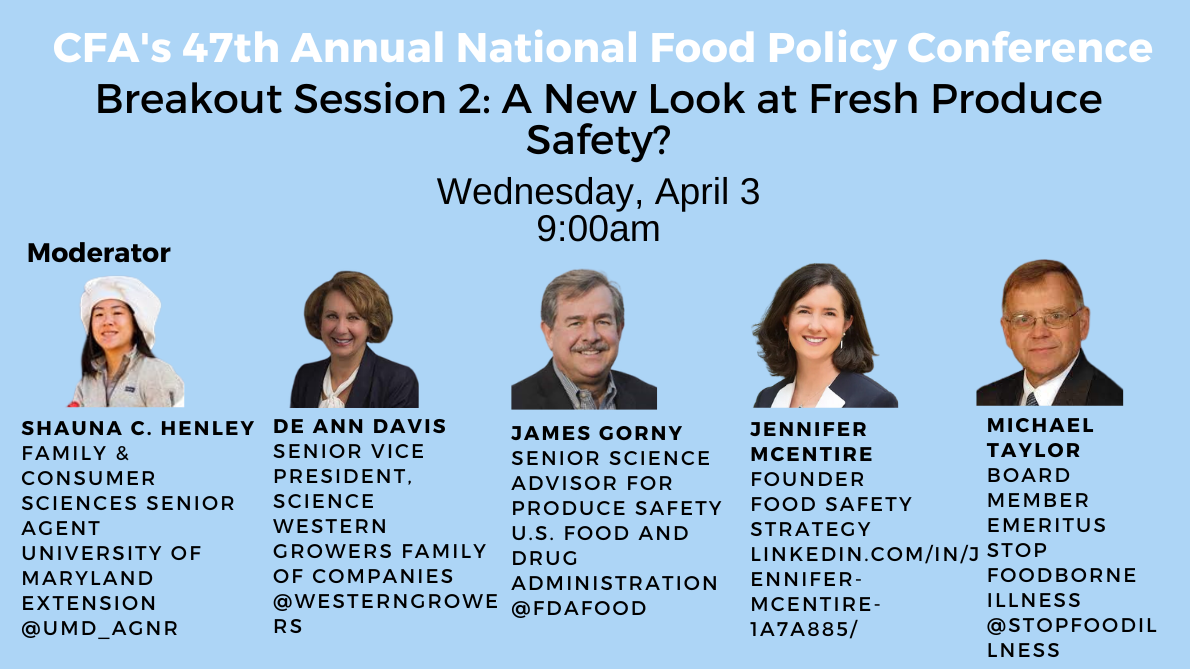
9:00 AM
Breakout Session 2: A New Look at Fresh Produce Safety?
Industry and consumer advocates alike have expressed dissatisfaction with the current food safety regime for fresh produce, including FDA’s implementation of the Food Safety Modernization Act, USDA’s research and extension programs, and a private audit system whose benefits to growers and consumers have increasingly come into question. How can federal policy better prevent foodborne illness risk in fresh produce? How can government and industry collaborate more effectively to improve produce safety? What are the barriers to more widespread adoption of best practices to minimize microbial contamination? And what are the solutions?
9:00 AM
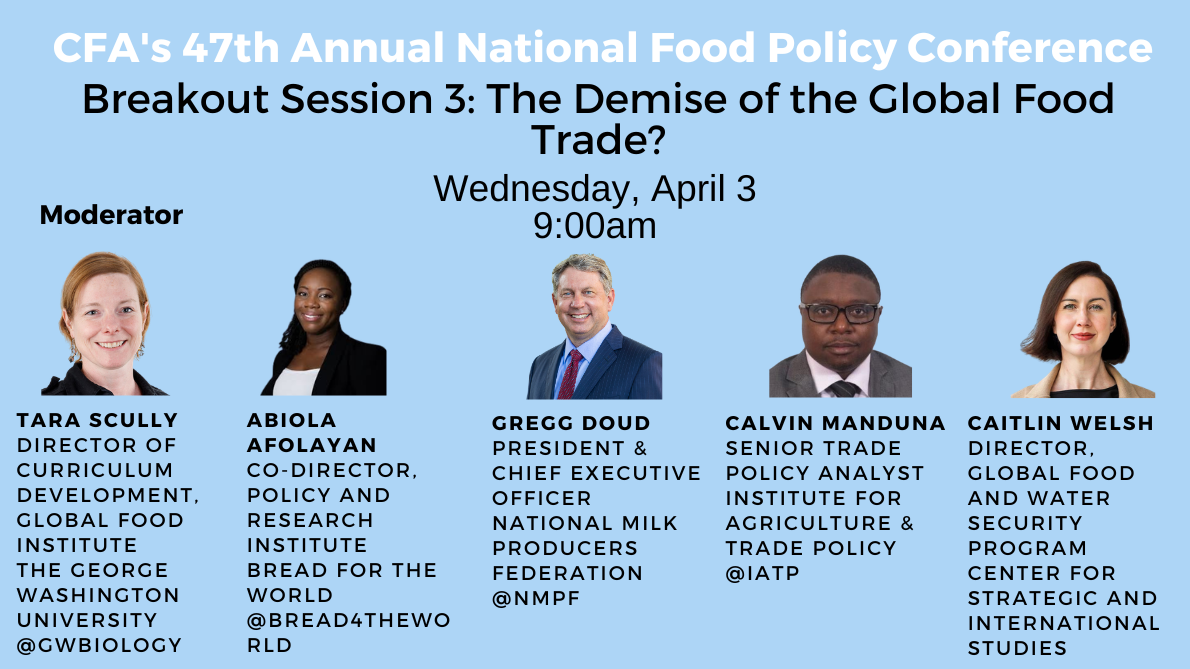
Breakout Session 3: The Demise of the Global Food Trade?
As extreme weather and the war in Ukraine have disrupted global food markets, countries across the globe have implemented export restrictions on food, feed and fertilizer. In the United States, federal legislation may soon block China-based businesses from purchasing American farmland, and a wide range of stakeholders continue to oppose trade agreement provisions that impose restrictions on consumer, labor, and public health policies. Is the era of free trade coming to an end? How should U.S. trade policy confront the challenges of rising world hunger and political instability?
10:45 AM
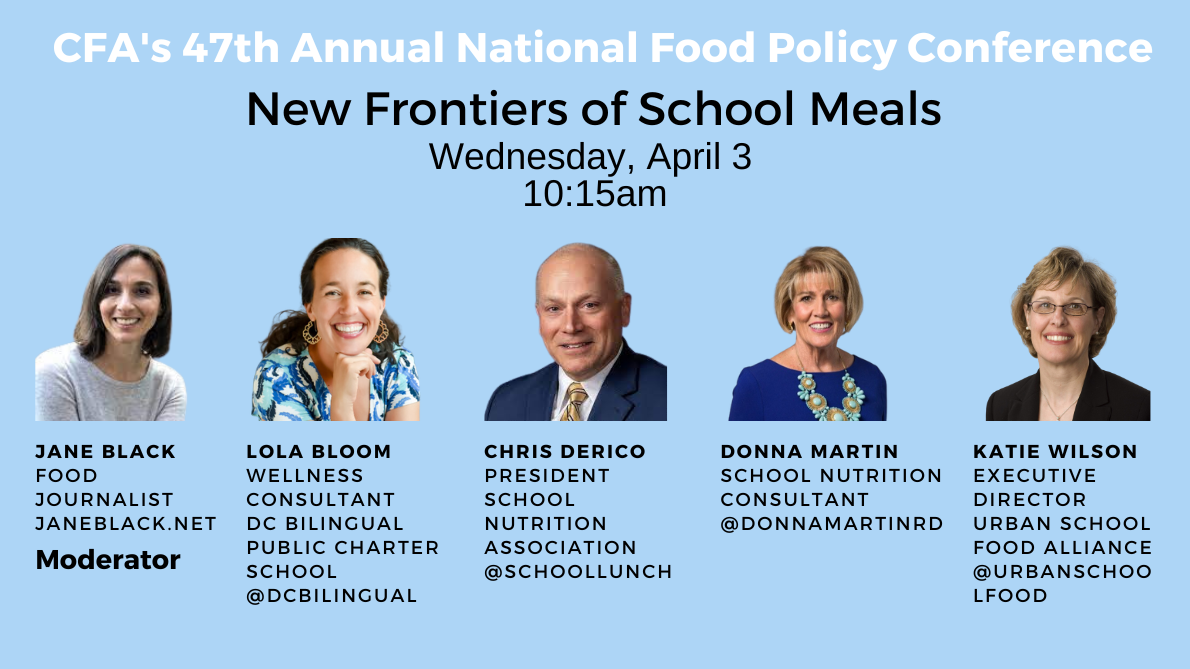
Plenary Session: New Frontiers of School Meals
Over a decade ago, Congress passed the Healthy, Hunger-Free Kids Act, whose new nutrition standards for school meals formed the centerpiece of First Lady Michelle Obama’s Let’s Move campaign to reduce childhood obesity. In the years since, attention on school meals has waned, but across the country, innovative strategies to improve access to healthy foods, implement scratch cooking, and source ingredients from local food producers have flourished. What makes for an effective school meal program, and what can federal policymakers learn from these success stories?
11:40 AM
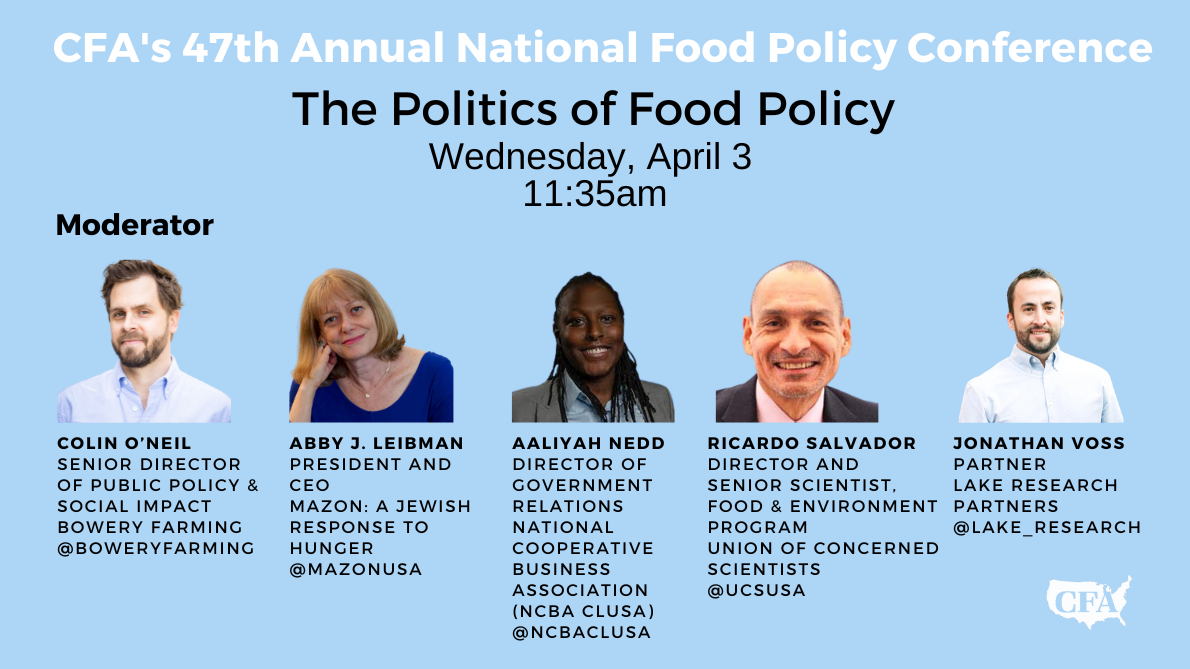
Plenary Session: The Politics of Food Policy
In recent polling, voters across the political spectrum express “foodflation” fatigue and say the food system can do a better job of making healthy foods more widely available and affordable, protecting the environment, and serving the interests of workers and rural communities. Despite the broad consensus on the need for reform, however, agreement on the character of food policy reforms remains as elusive as ever. How are shifting popular perceptions of the food system affecting the way policymakers act? A panel of experts will discuss whether increased attention to the food system’s shortcomings may pave the way for updating key legislation like the Child Nutrition Reauthorization Act and the Farm Bill, or alternatively, contribute to even worse gridlock.
2024 NATIONAL FOOD POLICY CONFERENCE SPONSORS
Benefactor
Amazon
Underwriter
Cargill, Inc.
FMI – The Food Industry Association
Patrons
Academy of Nutrition and Dietetics
American Frozen Food Institute
Danone North America
Mars, Inc.
The United Food & Commercial Workers International Union (UFCW)
Sponsors
FoodMinds
International Dairy Food Association
International Food Information Council
Rick and Beth Frank
Watkinson Miller PLLC
Watson Green LLC