Phone Sense
By Legal Analyst Janice Fahey and Program Coordinator Liudmila MignosaMassachusetts Attorney General’s Office
How can you safely use your phone and protect yourself from unwittingly becoming the victim of a scam or identity theft, or even just an unscrupulous business?
- Keep your contact list updated so you know who is trying to reach you. Scammers use technology known as “spoofing” to impersonate calls with your local area code and local exchange (the first three numbers in a 10-digit phone number). Scammers use these familiar numbers to try to make you believe someone from your community is calling you. Don’t believe it!
- Only answer calls if you know the caller! Let any unknown numbers leave a voicemail so you can reach legitimate callers later and ignore the scammers.
- Make phone calls only to numbers you independently verify. Don’t respond to text messages from unknown numbers or click on pop-up messages on your devices.
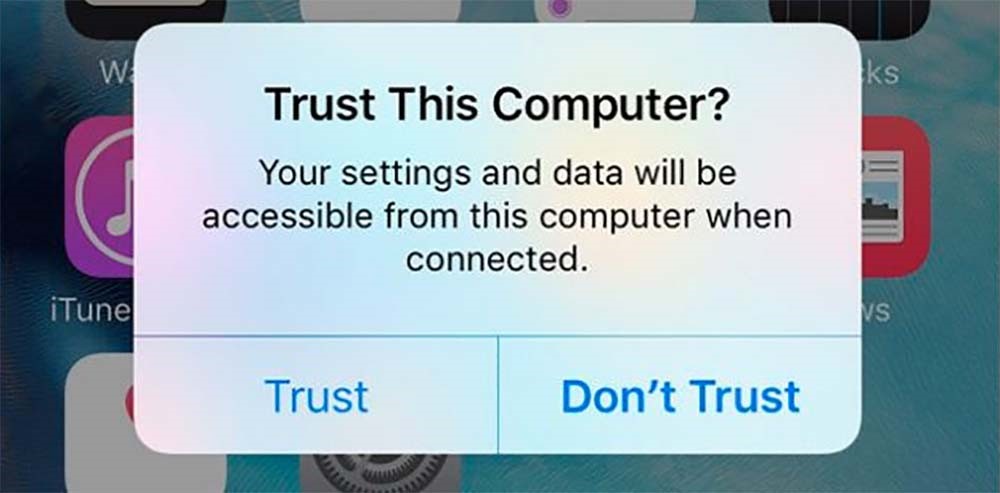
- Don’t plug your iPhone into a computer you don’t trust. Plugging your phone into an unknown computer opens you up to a number of security risks, including “trustjacking,” where scammers remotely hack your device. Make sure to always click “Don’t Trust” on your iPhone when you plug it into an unknown or untrusted computer.
- Use the National Do NOT Call Registry at ftc.gov or call 1-888-382-1222. Registration on the National Do Not Call Registry is free and does not expire.
- Many states have their own Do Not Call Registry as well. If your state has one, use it.
- If you hear an unnaturally long pause followed by a prerecorded message, hang up.
- If you are asked to dial a number to “opt out” of something, hang up. By dialing a number, you are notifying the scammer’s database your number is active and they will keep calling.
- If a caller you do not know asks you to pay taxes, fees, or to give personal information in exchange for something, hang up.
This blog is one of a series of articles contributed by state and local consumer agencies in connection with the annual survey about consumer complaints conducted by Consumer Federation of America. The survey report provides “real life” examples of complaints and tips for consumers. Have a consumer problem or question? Find your state or local consumer agency at https://www.usa.gov/state-consumer.